
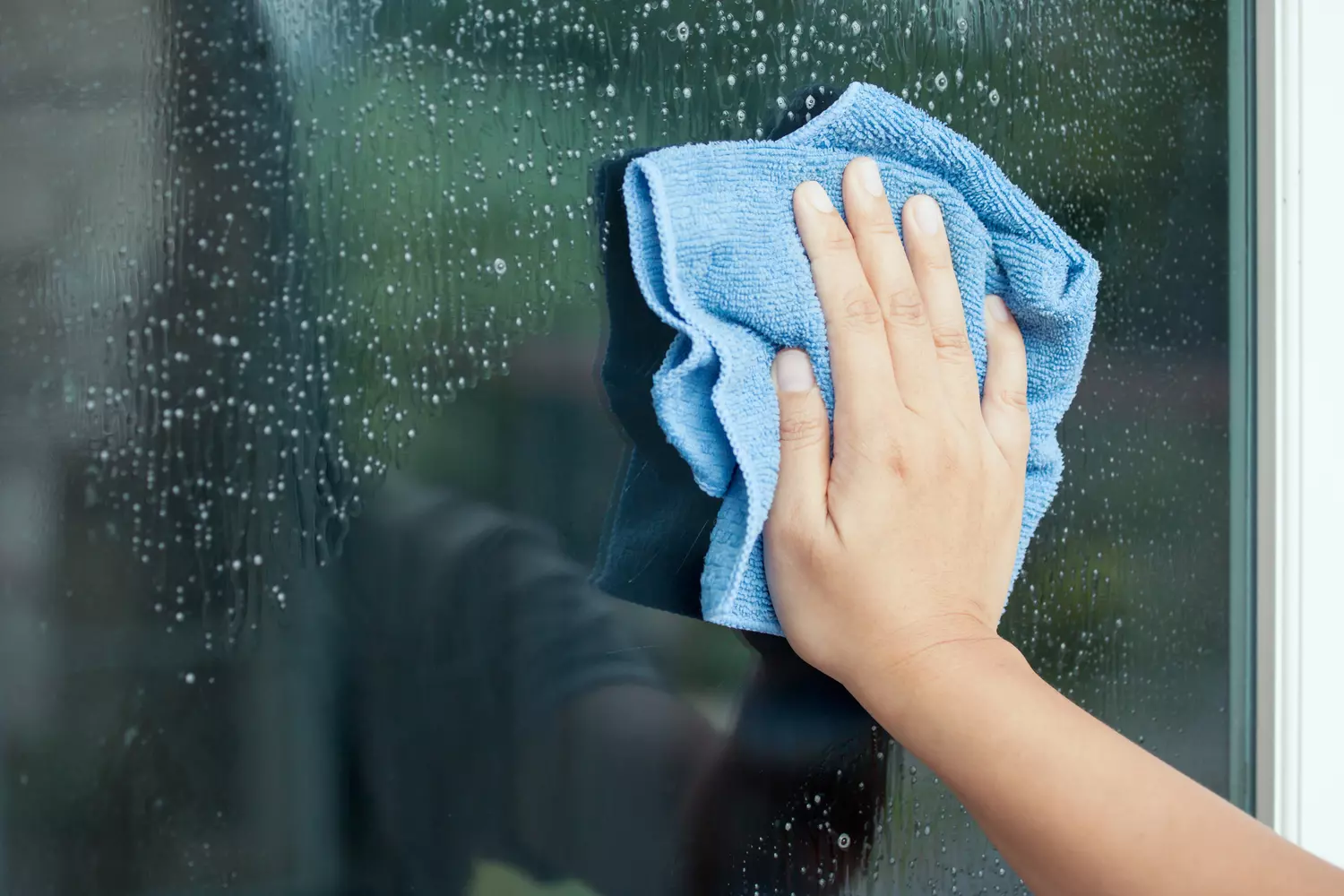
When winter approaches and the weather turns dreary, cleaning windows might feel like the last thing anyone wants to tackle. Yet, this simple household chore becomes remarkably easier with an unexpected ingredient that professionals have relied on for years. A few drops of glycerin mixed into your cleaning solution can transform how you maintain sparkling glass surfaces, keeping them pristine for months without constant effort.
Why glycerin works wonders on glass surfaces
This transparent liquid found in most pharmacies possesses remarkable properties that make it ideal for window maintenance. Beyond its common use in cosmetics for moisturizing skin, glycerin acts as a protective barrier on glass. The substance creates an invisible microscopic film across the surface, fundamentally changing how dirt and moisture interact with your windows.
The protective layer prevents dust particles from adhering firmly to the glass, which means airborne debris slides off more easily. Water droplets don’t cling as stubbornly either, reducing those frustrating streaks that typically appear after cleaning. This natural barrier effect transforms maintenance from a weekly nightmare into a simple quarterly task. Even households with pets or children notice the difference, as fingerprints and smudges wipe away with minimal effort.
Purchasing a standard bottle costs merely a few dollars at drugstores or supermarkets, making this approach both economical and accessible. A 250ml bottle lasts through numerous applications since only tiny quantities are needed each time. Regular cleaning products often require repeated purchases and substantial quantities, whereas this method stretches your budget while delivering superior results. Just like professional cleaners who know the best products for stubborn stains, choosing the right ingredient makes all the difference in achieving effortless cleanliness.
The perfect application technique explained
Gathering your supplies takes mere minutes and requires nothing complicated. You’ll need one liter of lukewarm water, two to three drops of vegetable glycerin, two clean microfiber cloths, and optionally a spray bottle for larger glass panels. The simplicity of this formula belies its effectiveness, proving that expensive commercial solutions aren’t necessary for professional-grade results.
Start by combining the glycerin with the water in your chosen container. If working with extensive glass areas like patio doors, transfer the mixture to a spray bottle for easier distribution. For smaller windows, dampening your first microfiber cloth directly works perfectly well. The application process itself requires minimal physical exertion, making it suitable even for those with limited mobility or strength.
Here’s the step-by-step process for flawless windows :
- Spray the glycerin solution onto the glass or moisten your cloth with it
- Wipe the entire surface from top to bottom using gentle strokes
- Wait approximately thirty seconds for the protective film to set
- Polish with the second completely dry microfiber cloth to remove any residue
- Admire the streak-free shine that lasts for weeks
Timing matters when applying this treatment. Avoid excessive waiting between application and buffing, as leaving the solution too long creates sticky residue rather than a protective barrier. The brief pause allows the glycerin to bond with the glass without becoming tacky or visible.
Optimal conditions for window maintenance
Choosing when to clean makes a substantial difference in achieving lasting results. Autumn days provide surprisingly ideal conditions for this task, particularly overcast afternoons without precipitation. Moderate temperatures allow the solution to work effectively, whereas extreme heat causes premature drying and cold weather prevents proper bonding.
Summer’s intense sunshine creates problems by evaporating cleaning solutions before you finish wiping, leaving obvious streaks. Winter’s frigid temperatures make glass too cold for products to adhere properly. Spring brings unpredictable rain showers that undo your hard work. October’s mild, cloudy weather hits the sweet spot, giving you comfortable working conditions and optimal results that carry through the colder months.
Before applying glycerin to heavily soiled windows, perform a preliminary cleaning with your regular method. Caked-on grime needs removal before the protective treatment can function properly. This initial pass ensures the glycerin bonds to clean glass rather than sealing in dirt. Maintaining cleanliness throughout your home matters, and understanding the dirtiest spots you typically overlook helps create a comprehensive cleaning strategy.
Long-lasting benefits that reward minimal effort
Once properly applied, this treatment maintains clarity for six to eight weeks under normal circumstances. Urban environments with higher pollution levels might require slightly more frequent applications, while rural settings often extend even longer between cleanings. The dramatic reduction in maintenance frequency appeals especially to those who dread repetitive household tasks.
The protective barrier repels environmental elements continuously. Morning dew beads and rolls off rather than leaving water spots. Pollen season becomes less troublesome as allergens don’t adhere as tenaciously. Even during rainy periods, precipitation sheets off more cleanly, though dried rainwater eventually necessitates reapplication. This extended protection means you might only need two or three treatments throughout winter instead of weekly scrubbing sessions.
This approach proves particularly valuable for multi-story homes where exterior window access poses challenges. Reducing cleaning frequency improves safety by minimizing ladder use. Similarly, elderly individuals or anyone with physical limitations appreciate how less frequent maintenance reduces strain and risk. The method works equally well on mirrors, glass shower doors, and other transparent surfaces throughout your home, much like natural products that tackle limescale effectively without harsh chemicals.
