
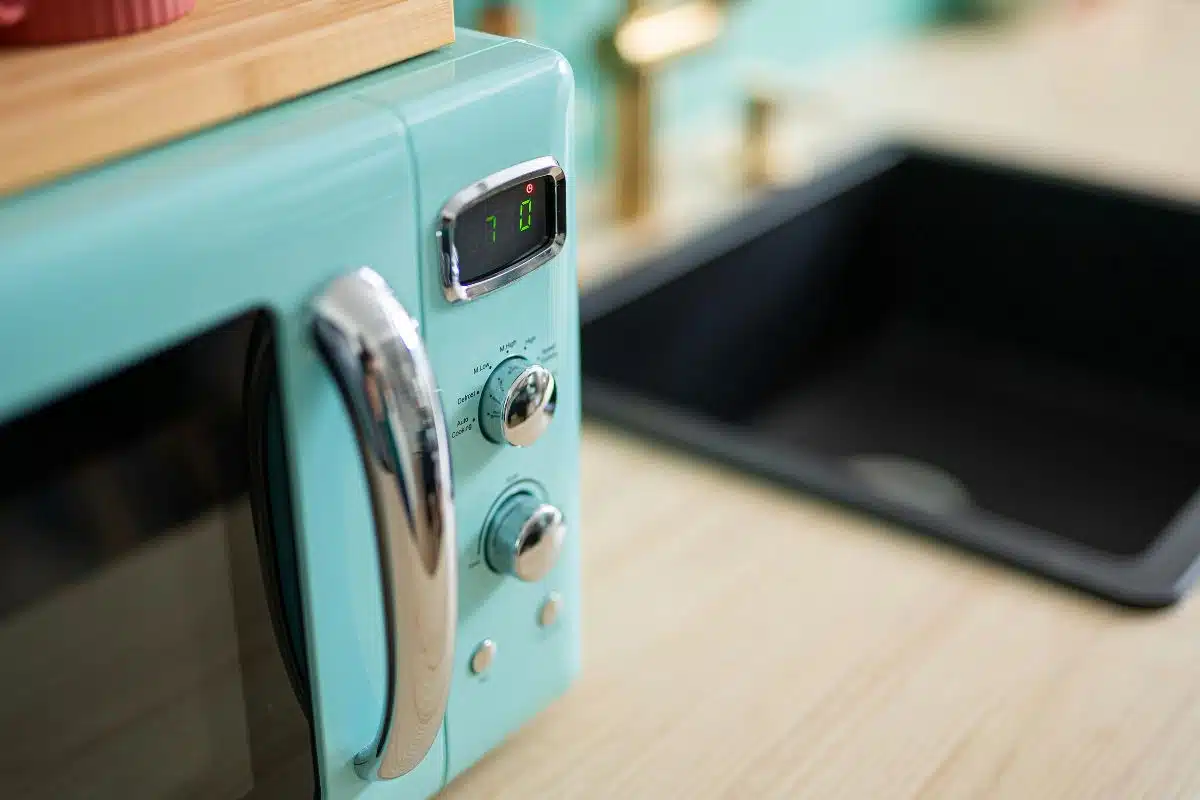
Household maintenance often requires clever solutions, and your kitchen appliance collection might hide a surprising secret. While most people associate their microwave solely with cooking and reheating meals, this versatile device conceals a powerful disinfection capability that transforms ordinary cleaning tools into hygienic essentials. This overlooked technique revolutionises how we maintain our kitchen accessories, offering a practical approach to combating invisible threats lurking in everyday items.
Understanding the hidden dangers in your cleaning tools
Kitchen sponges represent one of the most contaminated objects in any household, accumulating more bacteria than toilet seats in many cases. These innocent-looking cleaning aids create ideal breeding grounds for harmful microorganisms due to their porous structure and constant exposure to moisture. The damp environment within sponge cavities fosters rapid bacterial multiplication, including dangerous strains like E. coli and Salmonella. Studies have demonstrated that conventional cleaning methods fail to penetrate deep into the sponge’s intricate network of pores.
Traditional washing techniques, even those involving disinfectant solutions, merely scratch the surface of the problem. The microscopic spaces within these cleaning tools retain food particles and organic matter, providing continuous nourishment for bacterial colonies. Without proper sterilisation, every swipe across your countertop potentially spreads contamination rather than removing it. This creates a concerning cycle where the very tool meant to clean actually contributes to household hygiene issues.
Research indicates that replacing sponges weekly remains the gold standard recommendation, yet economic and environmental considerations make this approach impractical for many households. The accumulation of discarded sponges contributes to landfill waste, while frequent replacement strains household budgets. Fortunately, an effective alternative exists that extends sponge lifespan whilst maintaining optimal hygiene standards, using equipment already present in most kitchens.
The science behind microwave sterilisation
Electromagnetic radiation generated by microwaves targets water molecules within materials, causing them to vibrate at extraordinary frequencies. This molecular agitation produces intense heat that penetrates deep into porous structures, reaching areas inaccessible to surface cleaning methods. The thermal energy disrupts cellular structures of bacteria, viruses, and fungi, effectively neutralising these microorganisms without chemical intervention. This process mirrors professional sterilisation techniques used in medical facilities, adapted for domestic convenience.
The effectiveness of this method relies on achieving sufficiently high temperatures throughout the entire sponge structure. Within just two minutes of microwave exposure, internal temperatures reach levels that eliminate approximately 99% of harmful pathogens. Unlike chemical disinfectants that may leave residues or create resistant bacterial strains, heat sterilisation provides comprehensive sanitation without these drawbacks. This makes it particularly suitable for items that contact food preparation surfaces.
Just as space-saving furniture solutions transform small living areas, this simple technique revolutionises kitchen hygiene practices. The method’s accessibility democratises professional-grade sanitation, requiring no specialised equipment beyond the microwave already occupying your counter. This represents a significant advancement in domestic maintenance, comparable to other breakthrough household innovations.
Implementing the technique safely and effectively
Proper execution of this sterilisation method requires careful attention to specific steps. Begin by thoroughly saturating the sponge with water, ensuring every cavity holds moisture. Place the dampened sponge in a microwave-safe container with additional water at the base, creating a humid environment that facilitates even heat distribution. Set your microwave to high power and heat for exactly two minutes, monitoring the process through the viewing window.
Critical safety considerations must guide implementation :
- Never place dry sponges in the microwave, as they pose serious fire hazards when heated
- Confirm all cleaning tools contain absolutely no metal components, including wires or metallic scrubbing pads
- Allow sterilised items to cool completely before handling, as internal temperatures remain dangerously high immediately after treatment
- Use heat-resistant containers made specifically for microwave use to prevent melting or chemical leaching
- Maintain supervision throughout the heating cycle to respond immediately to any irregularities
The same principles apply to dishcloths, scrubbing brushes, and other textile cleaning accessories. Regular sterilisation cycles, performed twice weekly, dramatically reduce bacterial loads whilst extending the functional lifespan of these household essentials. This preventative approach proves far more effective than reactive cleaning attempts after contamination becomes visible or odorous.
Maximising benefits through consistent application
Integration of this technique into regular household routines yields cumulative benefits that extend beyond simple bacterial reduction. Families implementing this practice report fewer instances of food-related illnesses and improved overall kitchen hygiene. The psychological comfort of knowing cleaning tools remain truly clean enhances confidence in food preparation environments, particularly important for households with young children or immunocompromised individuals.
Similar to how small behavioural habits reveal deeper patterns, maintaining consistent sterilisation schedules reflects broader commitment to household health standards. This disciplined approach prevents gradual degradation of hygiene levels that occurs when maintenance tasks slip through busy schedules. Setting reminder systems ensures the practice becomes automatic rather than occasional.
Economic advantages accumulate significantly over time, as properly maintained sponges last substantially longer than those subjected only to conventional cleaning. Environmental benefits parallel these savings, reducing household waste streams whilst maintaining superior sanitation standards. This sustainable approach aligns with growing awareness of ecological responsibility without compromising cleanliness or safety requirements that modern households demand.
