
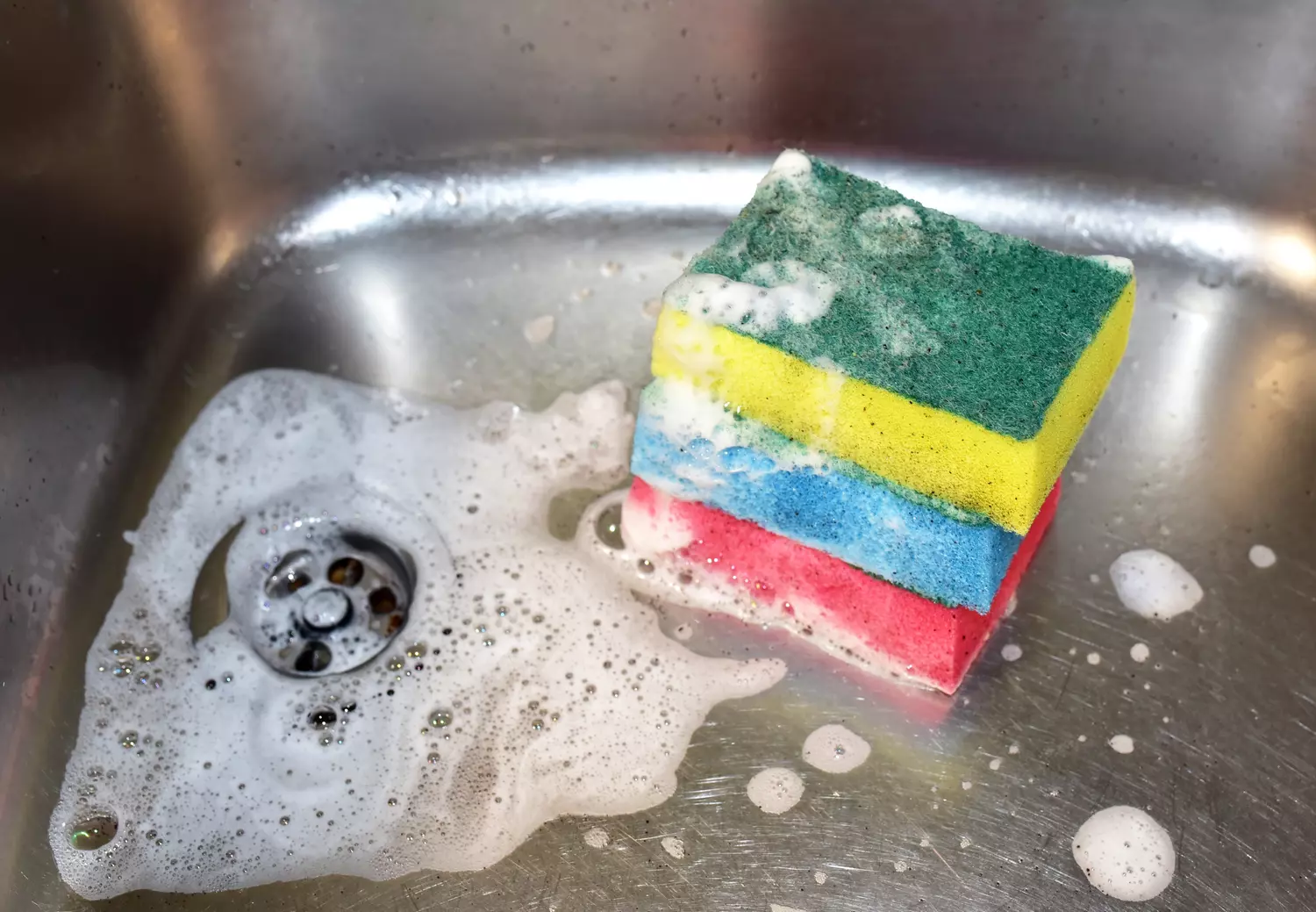
When you reach for a kitchen sponge to tackle your daily cleaning tasks, you might think the color is purely decorative. However, the color coding of cleaning sponges serves a specific purpose that many household managers overlook. Understanding what these colors indicate can transform your cleaning routine and protect your valuable cookware from unnecessary damage. Each hue signals a different level of abrasiveness, guiding you toward the right tool for each cleaning challenge you encounter.
Why color-coded sponges matter for kitchen hygiene
The color system used in kitchen sponges isn’t arbitrary. Manufacturers design these products with varying degrees of abrasiveness to match specific cleaning needs. This practical approach helps prevent cross-contamination and ensures that delicate surfaces remain scratch-free while stubborn grime gets the attention it requires. Many people unknowingly use the wrong sponge for their tasks, which can lead to damaged cookware or ineffective cleaning.
Professional cleaners have long recognized the importance of selecting appropriate cleaning tools. Just as experts recommend specific products for oven cleaning, they also emphasize using the correct sponge color for different kitchen surfaces. This systematic approach reduces cleaning time and extends the life of both your cleaning tools and your kitchenware. The color coding eliminates guesswork, allowing you to grab the right sponge instantly without examining texture or reading product labels.
Beyond efficiency, this system promotes better hygiene practices in your home. Using designated sponges for specific tasks minimizes the risk of spreading bacteria from heavily soiled surfaces to clean dishes. This becomes especially important when you consider that some areas of your home harbor more bacteria than others, and proper tool selection helps maintain sanitary conditions throughout your kitchen environment.
Decoding the green sponge for heavy-duty cleaning
Green sponges represent the most aggressive option in the color spectrum, designed specifically for tackling burnt-on food and stubborn grease buildup. Their coarse texture makes them ideal for scrubbing grill grates, baking sheets with baked-on residue, and stovetops with accumulated grime. The abrasive surface cuts through tough messes that softer sponges cannot handle effectively.
However, this strength comes with limitations. Using green sponges on delicate surfaces risks creating permanent scratches and damage. Non-stick cookware, glass stovetops, stainless steel appliances, and fine china should never encounter this aggressive cleaning tool. The scratches created by inappropriate use not only mar the appearance of your items but can also compromise the functionality of non-stick surfaces and create grooves where bacteria can hide.
When working with green sponges, apply them exclusively to surfaces that can withstand their abrasive nature. Cast iron skillets, oven racks, outdoor grills, and heavily soiled countertops benefit from this level of scrubbing power. Always test on an inconspicuous area first if you’re uncertain whether a surface can tolerate this treatment. Remember that even durable surfaces may show wear over time with repeated aggressive scrubbing.
Understanding medium-abrasive options for everyday tasks
Red sponges occupy the middle ground in the abrasiveness spectrum, offering versatility for routine kitchen cleaning. These tools balance cleaning power with surface protection, making them suitable for most everyday dishwashing tasks. They remove food particles and grease effectively without the harsh scrubbing action that damages sensitive materials.
Consider red sponges for the following applications :
- Porcelain plates and serving dishes
- Wine glasses and drinking tumblers
- Everyday pots and pans without non-stick coating
- Kitchen countertops and backsplashes
- Ceramic cookware and bakeware
The moderate texture of red sponges provides enough friction to remove residue without scratching most surfaces. This makes them the go-to choice for households looking to streamline their cleaning supplies. Rather than maintaining multiple sponge types, many people find that red options handle the majority of their cleaning needs satisfactorily. They work particularly well on dishes that have been soaked, where food particles have already loosened and require only moderate scrubbing to remove completely.
When dealing with mineral deposits and limescale on kitchen fixtures, remember that alternative cleaning solutions work more effectively than scrubbing alone. Pairing the right sponge with appropriate cleaning products maximizes results while minimizing effort and potential surface damage.
Gentle cleaning with yellow and blue sponges
Yellow sponges provide gentle cleaning power specifically engineered for surfaces that require careful handling. Their soft texture removes light soil and fingerprints without risking scratches on delicate materials. Use yellow sponges on items where preservation of finish takes priority over aggressive cleaning action.
Blue sponges represent the softest option available, perfectly suited for the most fragile items in your kitchen. Fine porcelain, crystal glassware, and copper cookware all benefit from this ultra-gentle approach. The non-abrasive surface ensures that decorative patterns remain intact and polished surfaces maintain their luster. These sponges work best when combined with appropriate dish soap and warm water, allowing the cleaning solution to do most of the work while the sponge gently wipes away residue.
Both yellow and blue sponges excel at maintaining non-stick cookware surfaces. The protective coating on these pans degrades rapidly when exposed to abrasive scrubbing, reducing their effectiveness and lifespan. By selecting softer sponges for these items, you preserve the non-stick properties that make them valuable kitchen tools. This careful approach pays dividends over time, as properly maintained cookware performs better and lasts significantly longer than items cleaned with inappropriate tools.
