
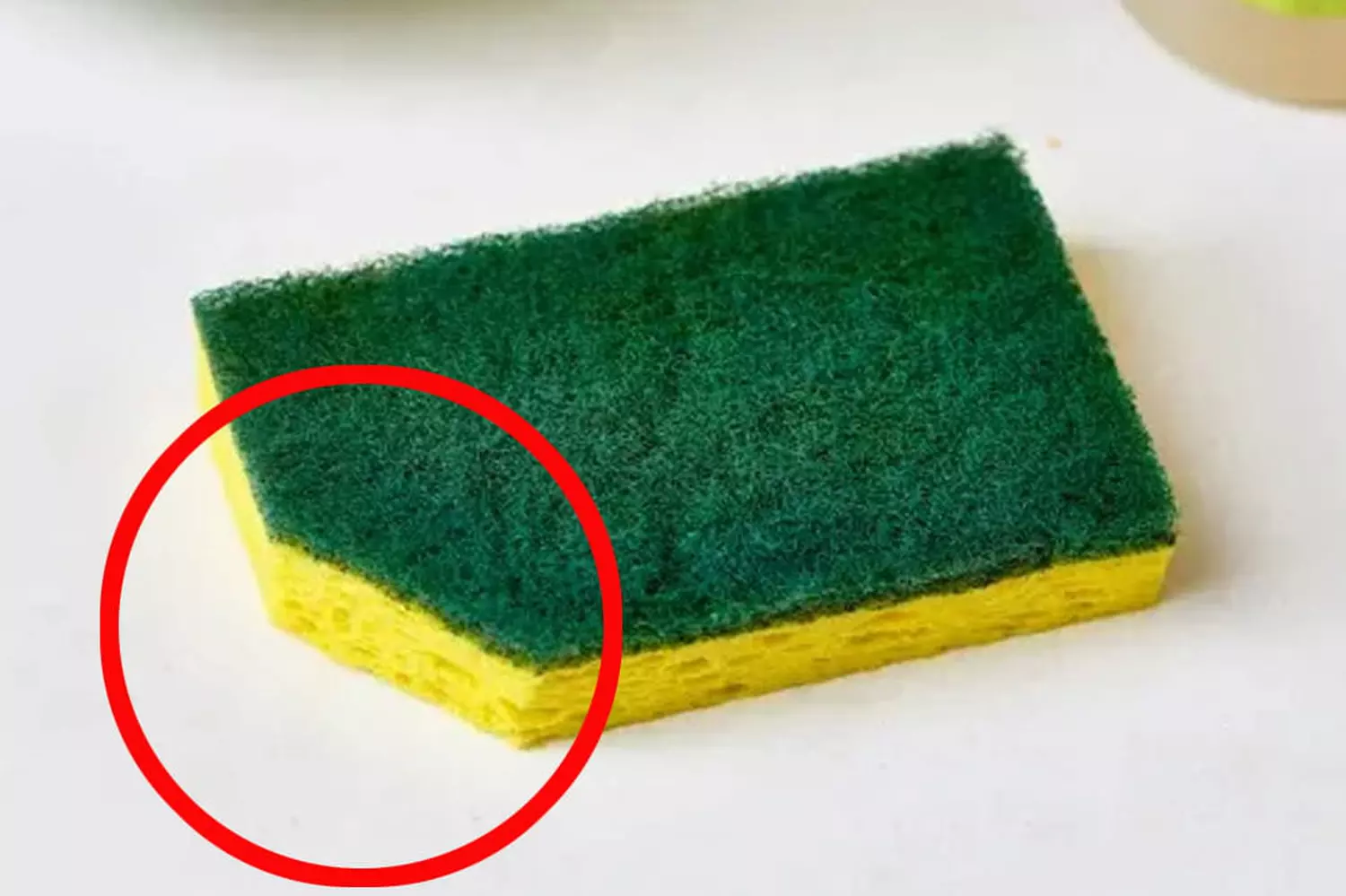
Kitchen sponges harbor millions of bacteria within days of use, yet most households keep them far longer than recommended. While microbiologists suggest replacing these cleaning tools weekly, financial constraints and environmental concerns often lead us to extend their lifespan. A simple corner-cutting technique offers an ingenious solution to maximize sponge usage while maintaining proper hygiene standards in your home.
Why cutting sponge corners prevents dangerous bacterial transfer
The primary concern with kitchen sponges involves cross-contamination between surfaces. When you use the same sponge for dishes, countertops, and other areas, you’re essentially spreading bacteria rather than eliminating them. A cut corner serves as an immediate visual identifier that distinguishes a demoted sponge from your fresh cleaning tools.
This marking system prevents accidental mix-ups that could transfer harmful microorganisms onto plates, glasses, and utensils. The identification method works because our brains process visual cues faster than reading labels or remembering which sponge belongs where. Cutting a noticeable triangle from one corner creates an unmistakable difference that’s visible even during rushed cleaning sessions.
Research confirms that even sanitizing methods like boiling or microwaving only reduce approximately 60% of bacterial populations initially. These treatments fail to sterilize sponges completely, as heat-resistant bacteria colonize the porous material regardless of cleaning efforts. The corner-cutting approach acknowledges this reality by redirecting used sponges toward less sensitive cleaning tasks rather than pretending they remain sanitary for food preparation areas. Just as certain overlooked areas accumulate grime without regular attention, sponges accumulate microbes that resist conventional cleaning methods.
Strategic repurposing extends sponge utility beyond kitchen duties
Once you’ve marked a sponge by removing its corner, it transitions into a secondary cleaning role. These demoted tools become perfect for scrubbing trash cans, outdoor shoes, bicycle components, or automotive tires. The key is maintaining physical separation between marked and unmarked sponges, ideally storing them in different locations to prevent confusion.
This repurposing strategy aligns with sustainable household management practices. Consider these appropriate uses for corner-cut sponges :
- Bathroom fixtures including toilet exteriors and base areas
- Pet feeding stations and water bowls that accumulate residue
- Gardening tools and planters requiring soil removal
- Garage surfaces covered in oil or grease deposits
- Outdoor furniture subjected to weather-related staining
The environmental benefits of extending sponge life shouldn’t be underestimated. Most conventional sponges contain polyurethane, a petroleum-derived synthetic material that persists in landfills for decades. During decomposition, these products release microplastics into ecosystems, contaminating soil and waterways. By maximizing usage before disposal, you reduce both carbon footprint and plastic pollution.
When tackling tough cleaning jobs, much like professionals approach stubborn oven stains with specialized products, your repurposed sponges handle grime that would quickly ruin fresh ones. This approach proves particularly economical for households managing tight budgets while maintaining cleanliness standards.
Implementing proper rotation schedules for maximum hygiene
Effective sponge management requires establishing clear replacement timelines. For households washing dishes daily, monthly sponge replacement represents the absolute minimum acceptable frequency. However, weekly changes provide superior protection against foodborne illness risks associated with bacterial contamination.
Creating a rotation system involves purchasing sponges in bulk and marking calendar dates for replacements. When introducing a new sponge into kitchen service, immediately cut the corner of its predecessor and relocate it to your secondary cleaning supplies. This systematic approach prevents the gradual degradation that occurs when we convince ourselves slightly worn sponges remain adequate for food contact surfaces.
Understanding the composition of your cleaning tools enhances decision-making about replacement timing. Many manufacturers incorporate antimicrobial agents into sponge materials, yet these additives provide limited protection once food particles and moisture create ideal bacterial breeding conditions. The porous structure that makes sponges effective at trapping debris simultaneously creates countless microscopic chambers where microorganisms thrive beyond the reach of rinsing or squeezing.
Similar to how alternative cleaning agents can replace traditional products for specific tasks, diversifying your cleaning tool arsenal reduces over-reliance on any single item. Incorporating dishcloths, brushes, and scrubbers alongside sponges distributes wear and allows proper drying between uses, which inhibits bacterial growth more effectively than continuous sponge deployment.
Recognizing when complete disposal becomes necessary
Even corner-cut sponges eventually reach the end of their useful life. Physical indicators include disintegrating texture, persistent odors that survive washing, visible mold growth, or complete color changes from accumulated staining. At this stage, disposal becomes mandatory regardless of continued functionality.
The decision to discard should consider both hygiene and efficiency factors. A sponge that crumbles during use deposits debris rather than collecting it, defeating its purpose. Similarly, materials saturated with cleaning chemicals pose environmental risks if used for tasks involving direct soil contact, such as gardening activities where natural amendments are preferred.
Before final disposal, evaluate whether local recycling programs accept synthetic sponges or if specialized mail-back services handle these materials. While most municipalities classify them as general waste, growing awareness about microplastic pollution has spawned niche recycling initiatives worth investigating. Some facilities process polyurethane into industrial applications, diverting these petroleum products from landfills.
Transitioning to biodegradable alternatives manufactured from cellulose or plant fibers offers another solution for environmentally conscious households. These products decompose naturally while providing comparable cleaning performance, though they typically command higher purchase prices. The corner-cutting technique applies equally to eco-friendly options, maximizing return on investment while maintaining sanitary standards. Just as effective cleaning solutions exist beyond conventional products, sustainable sponge choices continue expanding as consumer demand drives innovation in household cleaning supplies.
