
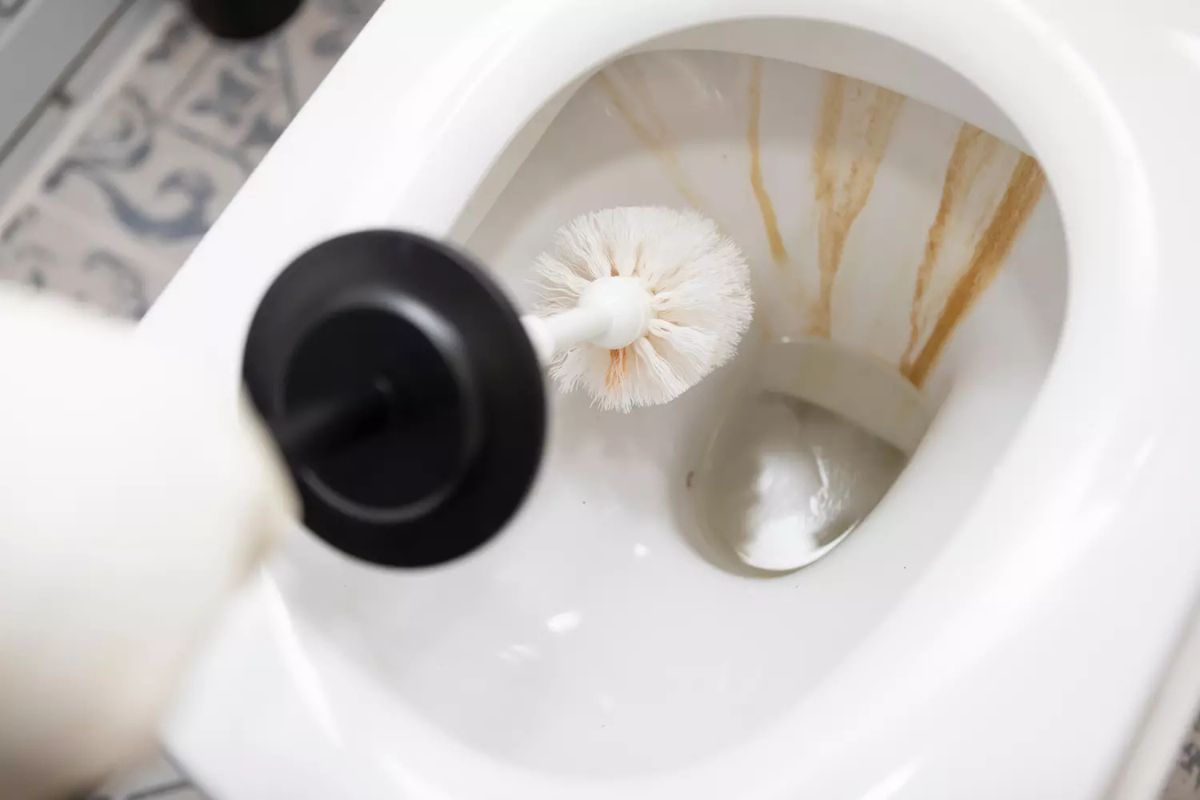
Limescale buildup in toilet bowls represents one of the most persistent household cleaning challenges. These unsightly deposits form gradually when hard water leaves mineral residues behind, creating stubborn stains that resist conventional cleaning methods. While many homeowners reach for white vinegar as their go-to solution, its pungent smell often lingers long after the cleaning task is complete. Fortunately, an equally powerful alternative exists that dissolves calcium deposits without overwhelming your bathroom with unpleasant odors.
Why citric acid works better than traditional cleaning methods
Citric acid emerges as a natural powerhouse for eliminating limescale from toilet surfaces. This organic compound, naturally abundant in citrus fruits like lemons and oranges, possesses remarkable descaling properties without the harsh chemical composition of commercial cleaners. When dissolved in water, it creates an acidic solution that specifically targets calcium carbonate, the primary component of limescale deposits.
The chemical reaction between citric acid and calcium ions breaks down mineral buildup into smaller, water-soluble particles. Unlike abrasive scrubbing or toxic industrial products, this gentle yet effective approach preserves your toilet’s porcelain finish while thoroughly removing stubborn stains. The process works by chelating the calcium molecules, essentially surrounding and neutralizing them until they detach from the surface.
What sets citric acid apart from vinegar is its pleasant citrus fragrance that replaces the sharp, acetic smell many find objectionable. This characteristic makes it particularly suitable for enclosed bathroom spaces where ventilation might be limited. Beyond its olfactory advantages, citric acid demonstrates comparable or superior cleaning power, especially when dealing with thick, calcified deposits that have accumulated over extended periods.
The safety profile of citric acid also deserves attention. Unlike chlorine-based bleaches or ammonia-containing formulas, this naturally occurring substance presents minimal health risks when used correctly. It’s widely approved for food industry applications, which speaks to its non-toxic nature. This makes it an excellent choice for households with children, pets, or individuals sensitive to harsh chemical fumes. Here are the dirtiest places in the house, almost everyone forgets to clean them.
How to properly remove toilet limescale with citric acid
Implementing an effective citric acid cleaning routine requires minimal effort and basic household items. The preparation phase begins with mixing the proper concentration of citric acid powder with warm water. Heat activates the compound’s descaling properties, though room temperature water will also work for less severe deposits.
Follow this straightforward process to achieve professional-quality results :
- Combine two to three tablespoons of citric acid powder with one liter of hot water in a plastic container or bucket.
- Remove as much standing water from the toilet bowl as possible using a plunger or cup.
- Pour the prepared solution directly onto limescale-affected areas, ensuring complete coverage of all stained surfaces.
- Allow the mixture to work for at least thirty minutes, though overnight application yields superior results for stubborn buildup.
- Scrub treated areas gently with a toilet brush, paying special attention to the waterline and under-rim sections.
- Flush thoroughly to rinse away dissolved mineral deposits and remaining cleaning solution.
For particularly resistant limescale formations, you may need to repeat the application. The beauty of this method lies in its flexibility and safety. Unlike commercial descalers that warn against prolonged contact, citric acid can safely remain in contact with porcelain surfaces for extended periods without causing damage or discoloration.
The concentration can be adjusted based on severity. Lighter deposits respond well to milder solutions, while heavy calcification benefits from stronger mixtures. Some cleaning enthusiasts recommend adding a small amount of dish soap to enhance the solution’s clinging ability on vertical surfaces, allowing it to work more effectively above the waterline.
Additional benefits beyond toilet cleaning
The versatility of citric acid extends far beyond bathroom applications. This multifunctional substance serves as an excellent descaler for kettles, coffee makers, and showerheads where mineral deposits commonly accumulate. Its food-safe nature makes it ideal for cleaning kitchen appliances without introducing harmful residues.
Environmentally conscious households appreciate how citric acid biodegrades naturally without contributing to water pollution. Unlike phosphate-containing detergents or synthetic chemicals that persist in aquatic ecosystems, this organic compound breaks down harmlessly. This environmental advantage aligns perfectly with sustainable living practices that prioritize both cleaning effectiveness and ecological responsibility.
The cost-effectiveness of citric acid powder makes it an economical choice for regular household maintenance. A small container provides enough product for dozens of cleaning sessions, representing significant savings compared to specialized commercial cleaners. Many online retailers and health food stores stock citric acid in bulk quantities, further reducing the per-use cost. Always keep your coffee grounds, here are the plants that love them.
Beyond its primary descaling function, citric acid acts as a natural antibacterial agent. The acidic environment it creates inhibits bacterial growth, addressing hygiene concerns that often accompany limescale accumulation. This dual-action property means you’re simultaneously removing unsightly deposits and sanitizing toilet surfaces, creating a cleaner, healthier bathroom environment for your family.
Making the switch to natural cleaning solutions
Transitioning to citric acid-based cleaning represents a practical step toward chemical-free housekeeping. Many commercial toilet cleaners contain harsh substances like hydrochloric acid or sodium hydroxide that pose respiratory risks and can damage plumbing systems over time. By contrast, citric acid’s gentle formulation protects both your health and your home’s infrastructure.
Storage and handling prove remarkably simple. The powdered form remains stable indefinitely when kept in a cool, dry location away from moisture. Unlike liquid cleaners that may leak or degrade, citric acid maintains its potency without special storage requirements. This long shelf life eliminates waste and ensures you always have an effective cleaning solution available when needed.
Regular maintenance using citric acid prevents severe limescale accumulation that would otherwise require aggressive intervention. Weekly or bi-weekly treatments keep toilet bowls sparkling clean without the need for intensive scrubbing sessions. This preventive approach not only saves time but also preserves your fixtures by avoiding the wear associated with heavy abrasive cleaning.
