
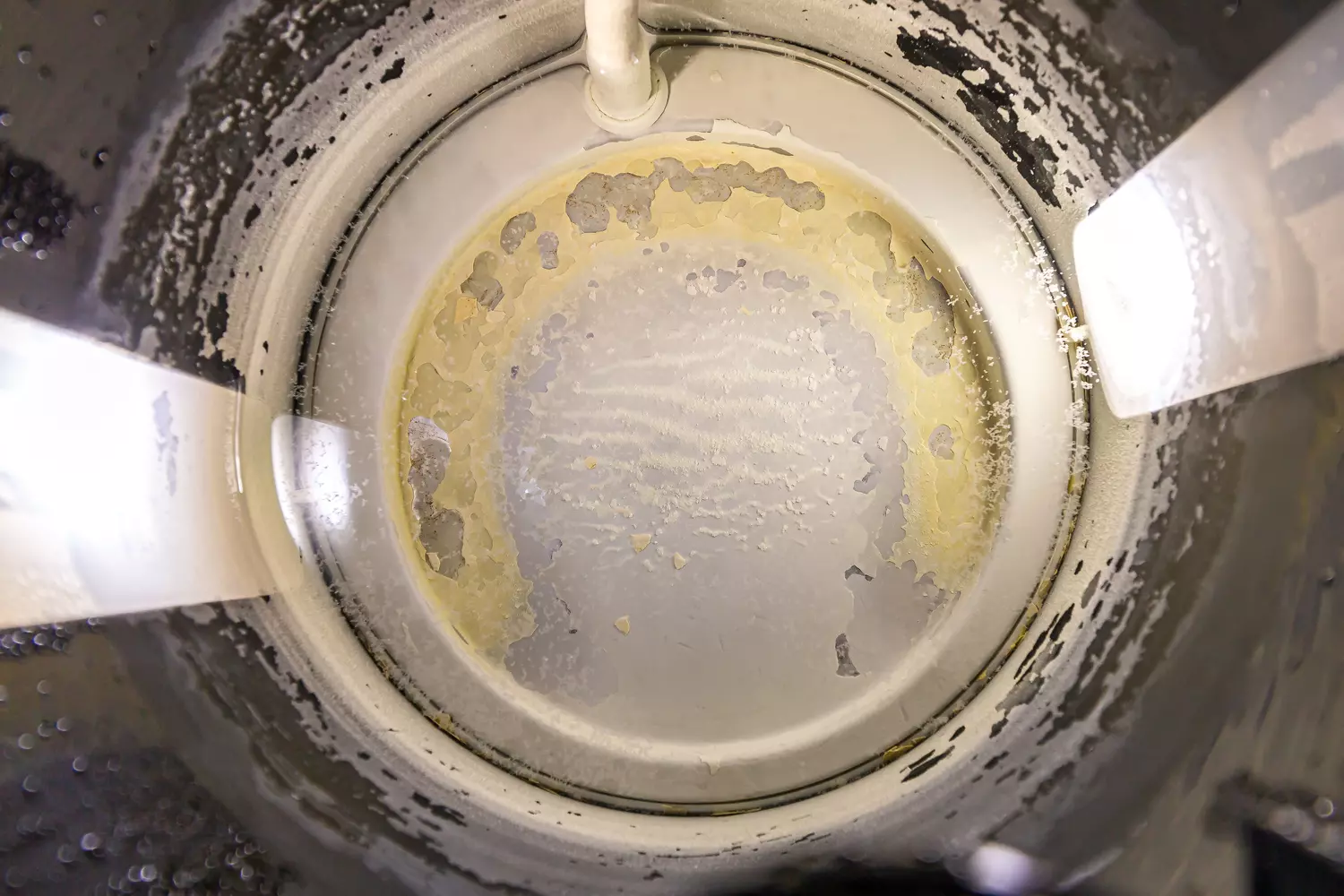
Dealing with limescale buildup in household appliances represents one of the most persistent challenges homeowners face. While white vinegar has traditionally dominated cleaning recommendations, a more powerful alternative exists that works faster and more gently on your appliances. This natural product tackles mineral deposits without the harsh downsides associated with conventional methods, making it an ideal solution for maintaining your kettle and other water-heating devices.
Why traditional cleaning methods fall short
Many households rely on white vinegar as their go-to descaling agent, believing it offers the ultimate cleaning solution. However, this popular product comes with significant drawbacks that often go unnoticed until damage occurs. The pungent smell of white vinegar can linger in your appliances for days, affecting the taste of beverages prepared afterward. Nobody wants their morning tea or coffee contaminated with that distinctive sour flavor that seems impossible to eliminate completely.
Beyond the unpleasant odor, white vinegar requires extended soaking periods to achieve satisfactory results. This means leaving your kettle out of commission for several hours, which proves inconvenient for busy households. More concerning is the corrosive nature of acetic acid on certain materials, particularly stainless steel surfaces. Regular exposure to white vinegar can gradually deteriorate the protective layer of your appliances, leading to premature wear and potential replacement costs. These limitations explain why cleaning professionals increasingly recommend alternative solutions for the dirtiest spots in your home that require special attention.
The accumulation of mineral deposits in kettles and similar appliances creates more than just aesthetic concerns. Those white flakes floating in your beverage carry a slightly bitter taste that compromises drink quality. More importantly, calcium buildup reduces heating efficiency, forcing your appliance to consume more energy while delivering slower results. Over time, this scaling can damage internal heating elements, shortening the lifespan of your investment significantly.
Citric acid removes limescale with superior efficiency
Enter citric acid, the cleaning powerhouse that outperforms white vinegar across multiple metrics. This naturally occurring compound, found abundantly in citrus fruits like lemons and limes, has been embraced by the food industry for decades as both a preservative and acidifying agent. Its cleaning capabilities stem from a chemical composition that targets mineral deposits with remarkable precision, breaking down calcium carbonate structures more effectively than traditional alternatives.
What sets citric acid apart is its gentle yet powerful action. Unlike the harsh assault of white vinegar, this product works with materials rather than against them. It remains safe for use on stainless steel, plastic, and glass surfaces without causing the corrosion or discoloration associated with stronger acids. This compatibility makes it suitable for virtually any household appliance prone to limescale accumulation, from kettles to coffee makers. Similar to professional cleaning methods for ovens, selecting the right product eliminates unnecessary scrubbing and potential damage.
The pleasant citrus scent represents another significant advantage. While white vinegar creates an overwhelming acidic smell that permeates your kitchen, citric acid releases a mild, fresh fragrance reminiscent of summer fruits. This makes the cleaning experience considerably more enjoyable, eliminating the need to ventilate your home for hours afterward. Your kettle emerges from treatment without any lingering odors that might affect subsequent beverages.
Speed and efficiency distinguish citric acid from competing products. Its higher acidity level enables faster reaction times with mineral deposits, meaning shorter soaking periods deliver exceptional results. Most applications require just one hour of contact time, compared to the several hours often necessary with white vinegar. This efficiency translates to less downtime for your appliances and more convenience for your household routine.
Step-by-step descaling process
Implementing citric acid for kettle maintenance requires minimal effort and delivers maximum results. The straightforward procedure ensures anyone can achieve professional-grade cleanliness without specialized knowledge or expensive equipment. Begin by measuring your kettle’s water capacity to determine the appropriate citric acid quantity needed for optimal effectiveness.
Follow this proven method for descaling success :
- Fill your kettle with fresh water to its maximum level, ensuring complete coverage of all interior surfaces where limescale accumulates.
- Add one tablespoon of citric acid powder per liter of water, adjusting the quantity based on your specific kettle size and scaling severity.
- Bring the solution to a rolling boil, allowing the heat to activate the acid’s mineral-dissolving properties throughout the vessel.
- Switch off the appliance immediately after boiling and let the mixture rest for approximately sixty minutes as it works on stubborn deposits.
- Discard the used solution and rinse the interior thoroughly with clean water multiple times to remove all residue.
- Use a soft brush or non-abrasive sponge to address any remaining spots, though most buildup should dissolve completely during soaking.
For particularly stubborn accumulations, a second treatment may prove necessary. The beauty of citric acid lies in its safety for repeated applications without material degradation concerns. Much like removing limescale from toilets without unpleasant odors, this method delivers thorough cleaning while maintaining a fresh environment. After completing the descaling process, perform a final rinse cycle with plain water before making beverages to ensure absolute purity.
Additional benefits and applications
The versatility of citric acid extends far beyond kettle maintenance. This remarkable compound serves multiple household purposes, making it an invaluable addition to any cleaning arsenal. Coffee makers, dishwashers, and washing machines all benefit from periodic citric acid treatments that remove mineral buildup and restore optimal performance. The same properties that dissolve limescale also address rust stains and soap scum in bathrooms.
From an environmental perspective, citric acid presents sustainable advantages over synthetic cleaning products. Its natural origin and biodegradable composition mean reduced chemical impact on water systems and ecosystems. Households committed to eco-friendly practices appreciate this alignment with green living principles without compromising cleaning effectiveness. The product also comes in concentrated powder form, reducing packaging waste compared to liquid alternatives.
Regular maintenance schedules using citric acid prevent severe buildup that requires aggressive intervention. Monthly treatments for hard water areas, or quarterly applications in moderate conditions, keep appliances functioning efficiently year-round. This proactive approach extends equipment lifespan, reduces energy consumption, and maintains beverage quality consistently. The minimal investment in citric acid delivers substantial returns through improved appliance longevity and reduced replacement costs over time.
