
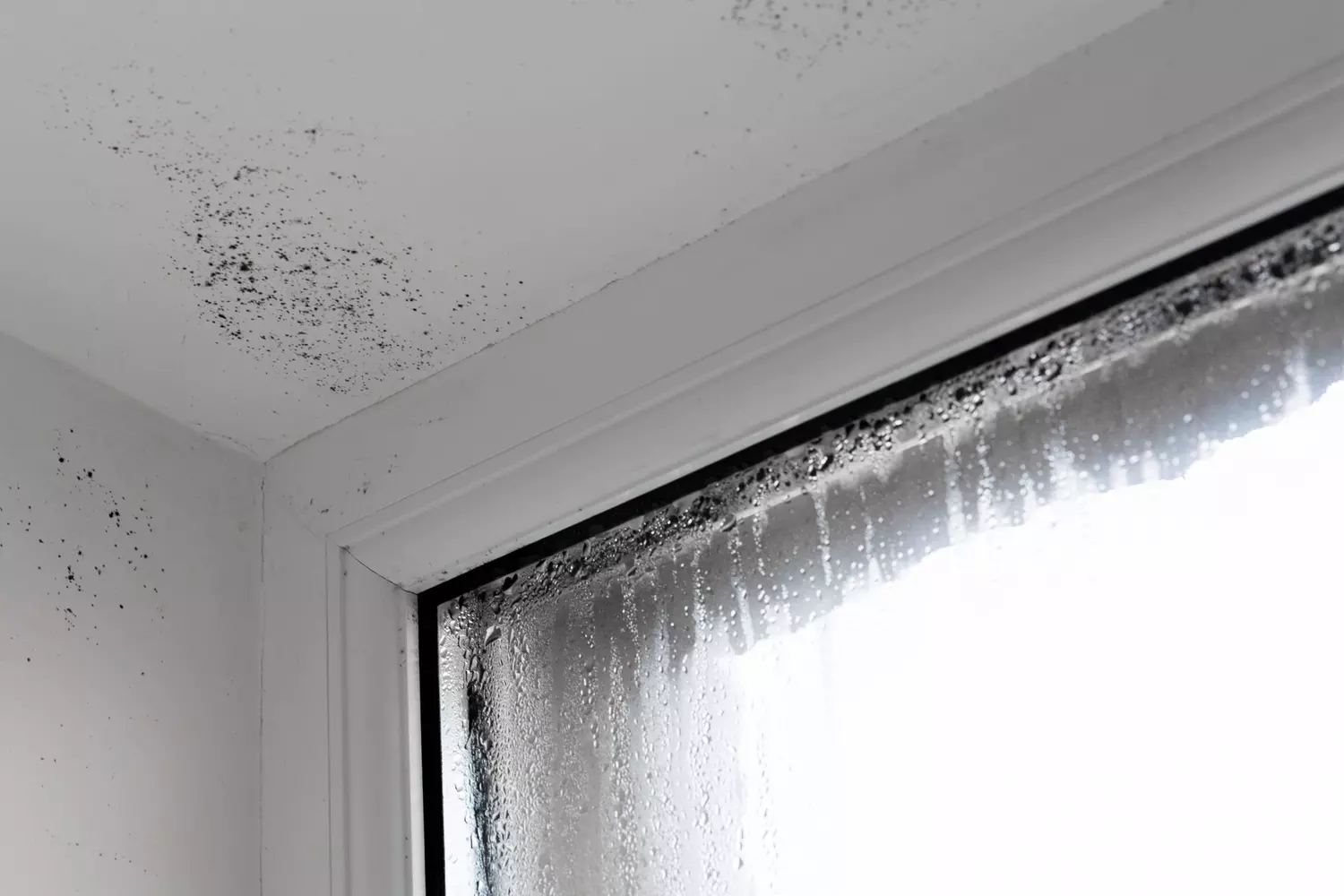
Window condensation might seem like a minor inconvenience, but when moisture droplets accumulate on glass surfaces, they create the perfect breeding ground for mold and mildew. This seasonal challenge affects countless homes during colder months, threatening both your property and your family’s wellbeing. Understanding how to tackle this issue effectively can save you from costly repairs and potential health concerns down the line.
Understanding why moisture forms on your windows
The science behind window condensation is straightforward yet crucial to grasp. When warm, moisture-laden air inside your home makes contact with cold glass surfaces, the temperature difference causes water vapor to transform into visible droplets. This happens because warmer air holds significantly more moisture than cooler air, and when that humid air encounters a chilled windowpane, it releases its water content onto the surface.
During autumn and winter, the temperature contrast between your heated interior and the frigid outdoors intensifies this phenomenon. Your daily activities contribute substantially to indoor humidity levels. Cooking, showering, drying laundry indoors, and even breathing add moisture to the air. Without proper management, these droplets don’t simply evaporate; they linger, potentially causing paint to peel, wallpaper to detach, and worst of all, encouraging mold growth that can compromise indoor air quality.
The key to preventing this issue lies in controlling both temperature fluctuations and humidity levels throughout your living space. Many homeowners underestimate how quickly condensation can escalate from a nuisance to a genuine problem requiring professional intervention. Maintaining proper home hygiene is essential, and just as you wouldn’t neglect the dirtiest places in your home that almost everyone forgets to clean, you shouldn’t ignore early signs of excessive moisture accumulation.
Strategic ventilation techniques for different rooms
Your kitchen generates enormous amounts of steam and humidity through cooking activities. Boiling water, simmering sauces, and using the dishwasher all release substantial moisture into the air. The most effective approach involves using your range hood or extractor fan every single time you cook, regardless of what you’re preparing. Additionally, covering pots and pans with lids prevents unnecessary steam from escaping into your kitchen environment.
Opening windows while cooking, even just slightly during winter, allows humid air to escape rather than settling on cold surfaces. Keep your kitchen door closed when possible to contain moisture within one area, preventing it from migrating throughout your home. This compartmentalization strategy proves remarkably effective at reducing overall humidity levels.
Bathrooms present unique challenges due to shower and bath usage. Installing or properly using a well-fitted shower curtain or glass enclosure contains steam within a smaller zone, limiting its spread. Always run your bathroom exhaust fan during showers and for at least 20 minutes afterward. Similar to how effective products can remove limescale from toilets, proper ventilation removes moisture before it becomes problematic.
Bedrooms frequently experience condensation overnight for one specific reason : people turn their heating completely off while sleeping. This creates dramatic temperature drops that encourage moisture formation. Instead of switching radiators off entirely, simply reduce their output. Never dry clothing in bedrooms, as this practice dramatically increases humidity levels, creating an uncomfortable and potentially unhealthy sleeping environment.
Immediate actions when condensation appears
When you notice water droplets forming on windows, take immediate action rather than waiting. Use an absorbent cloth or towel to thoroughly dry the affected surfaces. This simple step prevents moisture from sitting long enough to create conditions favorable for mold development. Regular wiping might feel tedious, but it’s considerably easier than addressing mold remediation later.
Daily ventilation remains non-negotiable regardless of outdoor temperatures. Open windows throughout your home for 10 to 15 minutes each morning, creating cross-ventilation by opening windows on opposite sides of your dwelling. This air exchange removes accumulated moisture and introduces fresh, drier air. Think of it as essential maintenance, much like professional cleaners know the best products for removing oven stains.
Consider implementing these practical measures :
- Maintain consistent heating temperatures rather than allowing dramatic fluctuations
- Use dehumidifiers in particularly moisture-prone areas
- Position furniture away from external walls to allow air circulation
- Avoid overloading rooms with too many plants, which release moisture through transpiration
- Ensure clothes dryers vent properly to the outside
Long-term prevention strategies for lasting results
Beyond immediate interventions, sustainable moisture management requires thoughtful adjustments to your home environment. Keep indoor temperatures steady rather than constantly adjusting thermostats up and down. This consistency prevents the temperature differentials that trigger condensation. Setting programmable thermostats to maintain moderate warmth throughout day and night proves far more effective than intermittent heating.
Improving insulation around window frames and considering double or triple-glazed windows significantly reduces condensation potential. Modern windows with better thermal performance keep interior glass surfaces warmer, reducing the temperature difference that causes vapor to condense. While this represents a more substantial investment, the benefits extend beyond moisture control to include improved energy efficiency and reduced heating costs.
Monitor indoor humidity levels using an inexpensive hygrometer. Ideal relative humidity ranges between 30 and 50 percent during winter months. When levels exceed this, intensify ventilation efforts or deploy dehumidifiers. Just as simple tricks can help avoid serious problems in your freezer, maintaining proper humidity prevents significant moisture-related damage.
Addressing window condensation and mold prevention requires consistent attention and proactive measures rather than reactive responses. By implementing proper ventilation techniques tailored to each room’s specific challenges, maintaining stable temperatures, and immediately addressing moisture accumulation, you create an environment where condensation cannot establish itself. These strategies protect your home’s structural integrity while safeguarding your family’s health from mold-related respiratory issues.
