
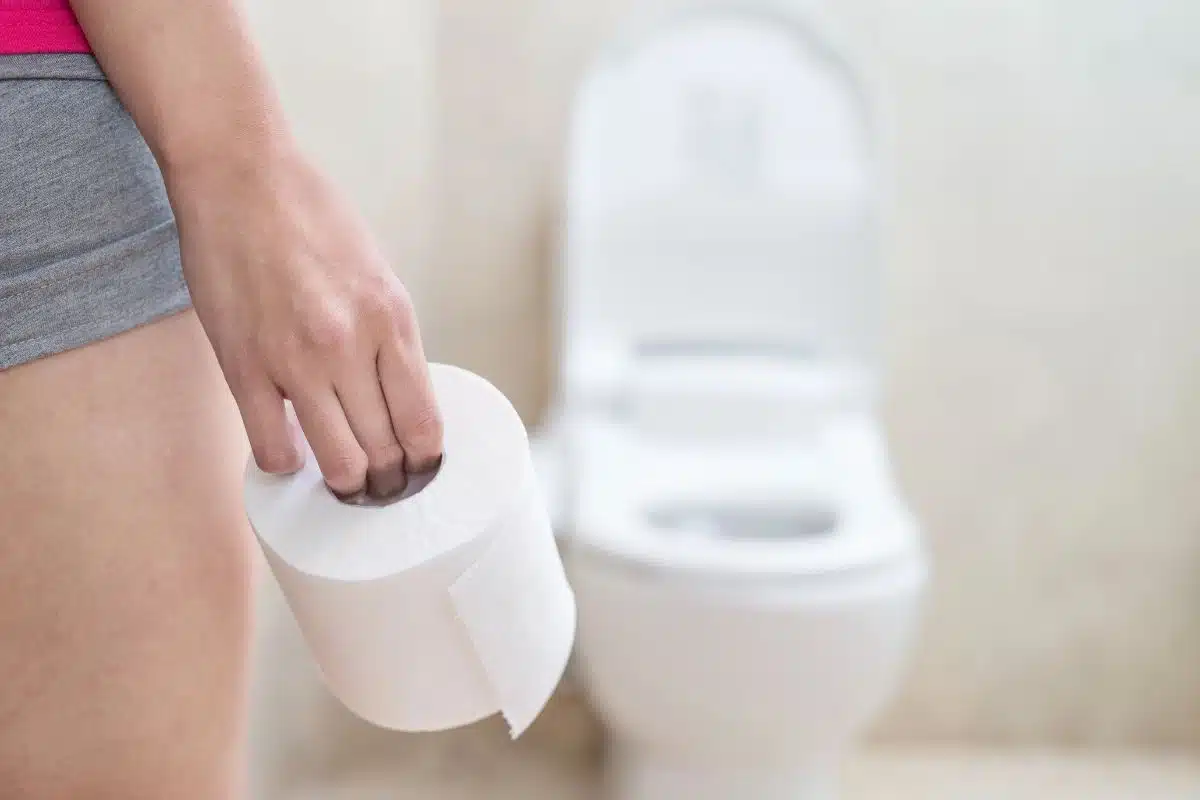
For decades, we’ve accepted toilet paper as an inevitable part of bathroom routines. Yet this seemingly innocuous product carries hidden costs that extend far beyond the supermarket aisle. Japanese innovation has introduced a water-based cleansing approach that challenges everything we thought we knew about personal hygiene. As global awareness grows around sustainability and wellness, more households are questioning whether paper-based cleaning truly represents the best solution for modern living.
The hidden costs of paper-based bathroom habits
Manufacturing toilet paper demands enormous environmental resources that most consumers never consider. Each year, millions of trees fall to supply global demand for this disposable product. The production process consumes vast quantities of water while chemical bleaching agents contaminate watersheds and ecosystems. Transportation networks shuttle these bulky products across continents, adding carbon emissions to an already problematic supply chain.
Medical professionals have raised concerns about hygiene effectiveness that paper simply cannot address. Dry wiping merely redistributes bacteria rather than removing it completely. The abrasive texture causes micro-tears in sensitive skin, creating entry points for infection. People with hemorrhoids or fissures experience heightened discomfort from the friction inherent in paper-based cleaning methods.
Dermatologists frequently treat patients suffering from persistent irritation in delicate areas. The repeated wiping motion required to achieve cleanliness often exacerbates existing conditions rather than resolving them. Many individuals normalize discomfort without realizing that their cleaning method itself may be the underlying problem. This situation parallels how people overlook certain areas in household maintenance until problems become severe.
How water-based technology transforms personal hygiene
Japanese washlet toilets represent a fundamental rethinking of bathroom cleanliness. These sophisticated fixtures direct precisely controlled water streams to cleanse areas where paper merely smears residue. Users can adjust water pressure according to personal preference and sensitivity levels. Temperature controls ensure comfort regardless of seasonal variations or individual tolerance.
The principle behind water-based cleaning mirrors common sense we apply elsewhere in daily life. We wouldn’t clean dirty hands by wiping them with dry paper alone. Similarly, water provides thorough cleansing that paper cannot match. Built-in warm air drying features eliminate the need for any paper products whatsoever in many advanced models.
Key advantages of washlet systems include :
- Hands-free operation that reduces cross-contamination risks
- Gentler cleansing action suitable for people with medical conditions
- Elimination of abrasive friction that damages sensitive tissues
- Adjustable settings accommodating different user preferences
- Reduced bathroom maintenance compared to paper-based methods
Elderly individuals and those recovering from surgical procedures particularly benefit from water-based systems. The technology provides dignity and independence for people who might otherwise require assistance. Post-operative patients report faster healing when avoiding the irritation caused by traditional wiping methods. Just as effective cleaning solutions prevent buildup in bathroom fixtures, water-based personal hygiene prevents accumulation of bacteria.
Making the transition practical and affordable
Adopting water-based cleaning doesn’t require expensive bathroom renovations. Bidet attachments install easily on most standard toilets using basic tools and minimal plumbing knowledge. Non-electric models operate using existing water pressure, requiring no electrical connections whatsoever. Installation typically takes less than thirty minutes for most homeowners.
Initial investment costs vary widely depending on features selected. Basic models provide essential cleansing functions at modest prices. Mid-range options include heated seats and adjustable spray patterns. Premium washlet seats offer programmable user profiles and self-cleaning nozzles. Regardless of price point, most households recoup their investment through eliminated paper purchases within the first year.
The psychological adjustment proves more challenging than the physical transition. Decades of conditioning make paper-based cleaning feel normal despite its limitations. Most users report complete comfort within five to seven days of switching to water-based methods. First-time experiences often trigger immediate recognition that thorough cleaning feels distinctly different from what paper provides.
European countries have long embraced bidet culture, making water-based hygiene standard in many households. North American adoption has lagged behind but accelerates as awareness spreads about both environmental and health benefits. Social media conversations and online reviews help normalize discussions about bathroom habits previously considered taboo. Similar to how simple household tricks can prevent larger problems, small changes in personal care yield significant long-term benefits.
Building healthier habits for people and planet
Eliminating toilet paper reduces household waste substantially. A typical family prevents hundreds of cardboard tubes and paper rolls from entering landfills annually. The manufacturing impact avoided extends to forest preservation and watershed protection on a global scale. While water-based systems do increase household water consumption slightly, the environmental comparison remains overwhelmingly favorable when considering paper production requirements.
Public health experts recognize that improved personal hygiene reduces disease transmission. Bacterial and viral infections spread more easily when cleaning methods leave residue behind. Water-based cleansing provides more complete pathogen removal than paper can achieve. Colorectal specialists increasingly recommend washlet technology as preventative care for common ailments affecting millions worldwide.
Climate-conscious consumers view paper elimination as meaningful environmental action. Reducing unnecessary consumption aligns with broader sustainability goals that extend beyond bathroom choices. Many households discover that questioning one habitual practice opens awareness to other areas where traditional methods may not represent optimal solutions for contemporary challenges facing both individual wellness and planetary health.
