
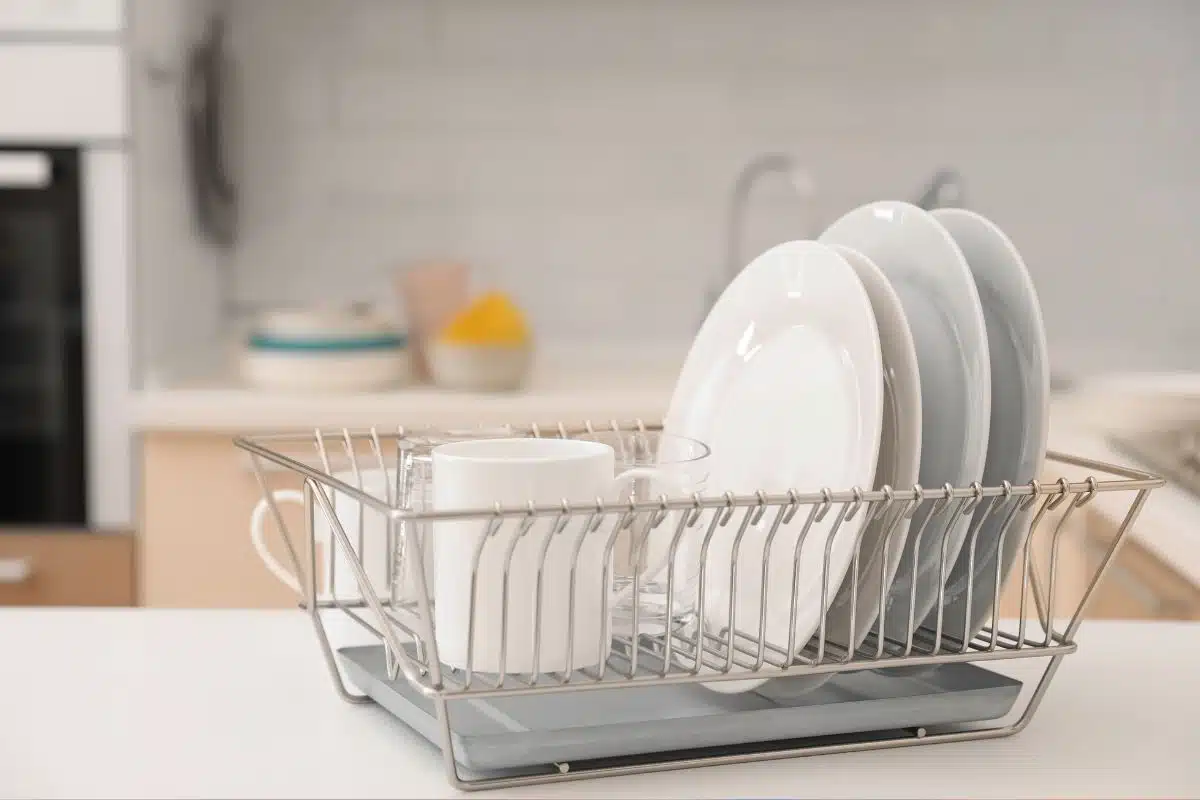
Modern kitchens are evolving beyond traditional setups, and one accessory that’s being reconsidered is the classic dish rack occupying precious sink space. As urban living spaces shrink and design preferences shift toward minimalism, homeowners are discovering that wall-mounted dish drainers offer a practical solution that eliminates countertop clutter while maintaining functionality. This innovative approach transforms how we think about drying dishes efficiently, creating a cleaner aesthetic while addressing persistent moisture issues that plague conventional draining systems.
The shift away from sink-based drying racks isn’t merely aesthetic. It represents a fundamental rethinking of kitchen organization principles, where every square inch matters and hygiene takes precedence over habit. By mounting your draining system vertically, you’re essentially reclaiming valuable workspace that was previously occupied by a bulky rack collecting water and sometimes developing unpleasant odors.
The limitations of traditional dish racks
Conventional dish drainers have served kitchens for generations, yet their design inherently creates several challenges that modern alternatives effectively address. The most immediate problem involves water accumulation at the base, which often leads to standing puddles that require constant wiping. This stagnant moisture creates an environment where bacteria can flourish, compromising the cleanliness you’re trying to achieve after washing.
Beyond hygiene concerns, traditional racks contribute to visual disorder in cooking spaces. Even when dishes are clean, their constant visibility beside the sink creates an impression of incompleteness, as though the cleaning process never truly finishes. For those who value a streamlined kitchen appearance, this persistent display of drying dishes contradicts the tidy environment they’re working to maintain.
Space consumption presents another significant drawback. In compact kitchens where counter area is limited, a dish rack monopolizes room needed for meal preparation activities. This becomes particularly frustrating when multiple people share the kitchen, as the draining area becomes a bottleneck that restricts workflow. The rack itself requires regular cleaning too, as forgotten spots accumulate food particles and grime between the wires and compartments.
Additionally, conventional models often lack proper drainage systems, meaning water either pools within the rack itself or drips onto surrounding surfaces. This creates maintenance challenges and can damage wooden countertops over time, leading to warping or discoloration that requires costly repairs or replacement.
Why wall-mounted systems are gaining popularity
The vertical draining solution addresses each limitation of floor-level racks while introducing advantages that weren’t previously possible. By utilizing wall space above or beside the sink, these systems completely free the countertop for other purposes. This architectural approach to dish drying essentially creates functional storage in previously unused areas, maximizing efficiency in ways horizontal racks cannot match.
Hygiene improvements represent a major benefit. When dishes dry suspended in open air without touching any surface, bacterial growth decreases significantly. The elevated position allows for better air circulation around each item, accelerating drying time and reducing the mustiness that sometimes develops in traditional racks. Many homeowners notice that glasses and plates dried this way feel cleaner and don’t require rewashing before use.
Installation flexibility makes these systems accessible to various kitchen configurations. Some models attach with heavy-duty adhesives requiring no drilling, while others use minimal hardware that leaves small holes easily filled if you later redesign. The variety of sizes available means whether you’re outfitting a compact apartment or a spacious family kitchen, appropriate options exist to match your dish volume.
Capacity shouldn’t be underestimated either. Premium wall-mounted drainers can support up to 22 pounds of dishes, with dedicated compartments for different item types :
- Plate slots that hold dishes vertically for optimal drainage
- Cup hooks preventing water from pooling inside glasses
- Cutlery holders keeping utensils separated for faster drying
- Bowl sections accommodating various shapes and sizes
The aesthetic transformation is immediate and remarkable. Rather than a cluttered countertop, your kitchen presents a streamlined appearance that emphasizes cleanliness. Guests often compliment this organizational approach, as it suggests thoughtful design rather than makeshift functionality.
Selecting the right wall-mounted drainer for your needs
Before purchasing, measure your available wall space carefully, considering both width and height. The drainer should fit comfortably without interfering with cabinets, light switches, or other wall fixtures. Placement directly above the sink proves most practical, as water drips harmlessly into the basin rather than onto floors or counters.
Household size significantly influences capacity requirements. Families with children or those who entertain frequently need larger models with multiple tiers, while singles or couples might find compact versions perfectly adequate. Consider your dishwashing frequency too—if you wash throughout the day, a moderate-capacity drainer that empties regularly works better than an oversized model that sits partially full.
Material quality determines longevity and maintenance ease. Stainless steel options resist rust and maintain appearance over years of use, though they typically cost more initially. High-grade plastic alternatives offer durability at lower price points but may discolor with prolonged exposure to heat and moisture. Some models feature powder-coated finishes that combine metal strength with color options matching your kitchen décor.
Drainage mechanisms vary between models, and this feature deserves careful evaluation. The most effective designs incorporate sloped surfaces or channeling systems that direct water directly into the sink. This prevents wall damage and eliminates the need for catchment trays that require emptying. Some advanced versions include removable drip trays that simplify cleaning, much like how citric acid simplifies removing limescale buildup from various household surfaces.
Making the transition to wall-mounted drying
Adopting this space-saving kitchen innovation requires minimal adjustment but delivers substantial benefits. The initial installation takes less than an hour for most models, and once mounted, the system becomes as intuitive to use as traditional racks. You’ll quickly develop new habits around loading dishes efficiently onto the vertical structure.
Many people discover unexpected advantages after making the switch. Countertop space previously occupied by the rack becomes available for small appliances or decorative elements that enhance kitchen functionality and ambiance. The sink area itself feels more spacious, making dishwashing less cramped and more pleasant.
Maintenance proves simpler than with floor-based racks. Most wall drainers require only occasional wiping to remove dust or minor splashes, rather than the thorough scrubbing needed to clean between traditional rack wires. The open design prevents food particle accumulation, and the elevated position keeps the drainer away from spills and cooking splashes that would dirty a counter-level model.
For those hesitant about permanent wall modifications, adhesive-mounted versions offer an excellent trial option. These provide the full functionality of drilled models while allowing easy removal if you decide to relocate or return to conventional methods, though most users find the benefits so compelling that they never revert to their old system.
