
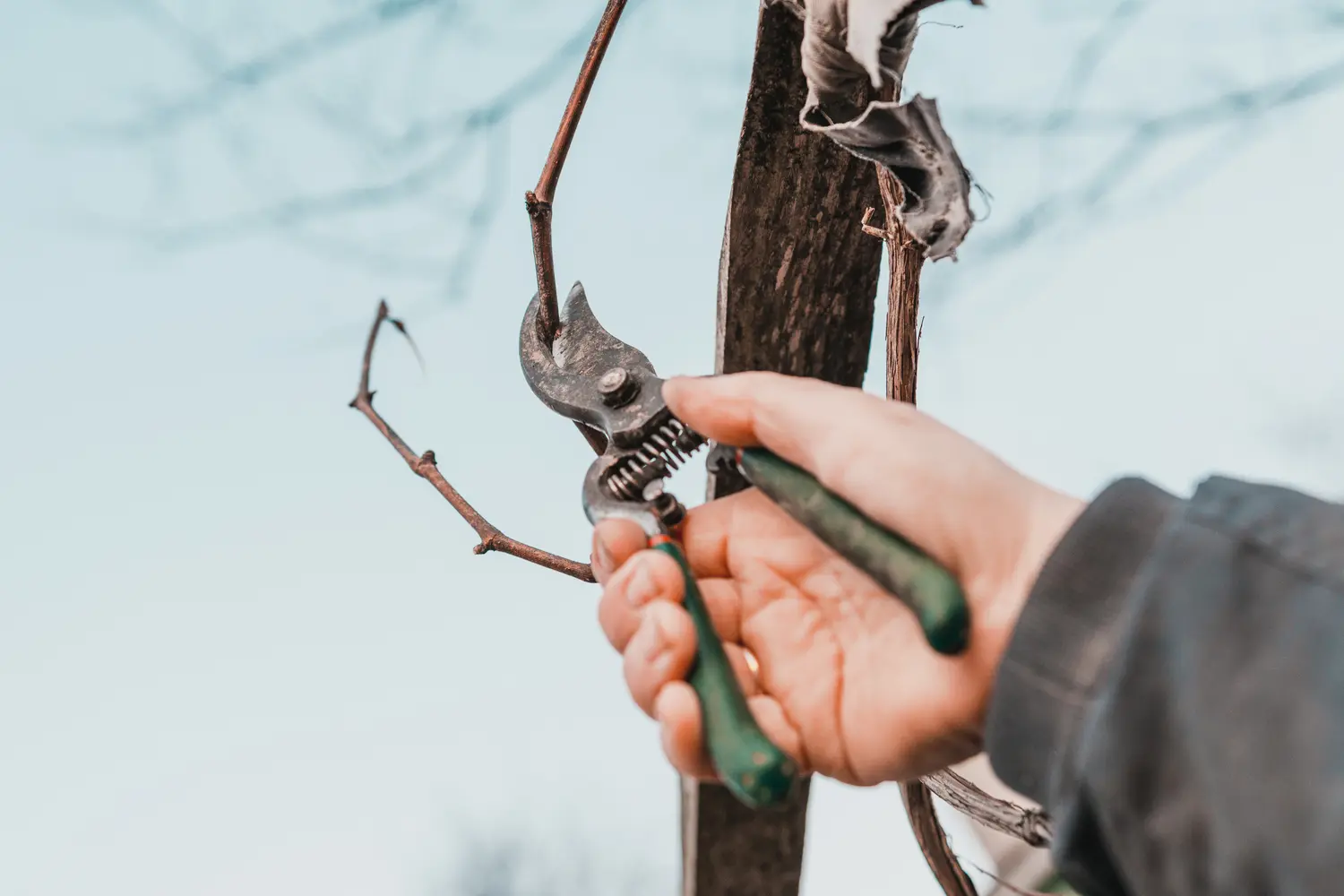
Winter might seem like the season to hibernate indoors, but your garden still demands attention in February. Many plants and trees require precise pruning during this narrow window, and delaying until March could compromise their spring vigor and flowering potential. Understanding which specimens need trimming now will ensure robust growth and abundant blooms when warmer weather arrives.
Ornamental grasses and evergreen screens requiring immediate attention
If you live in coastal or continental climates, February presents the perfect opportunity to tackle your living screens and ornamental grasses. Giant graminées, miscanthus, and Pampas grass all benefit from drastic cutting during this period. These plants have finished protecting their crown throughout winter’s harshest months, and now removing old foliage makes room for fresh growth.
Your deciduous hedges also demand attention before spring awakens them. Forsythia, butterfly bush, and Japanese quince all tolerate severe pruning during February, provided you don’t garden in mountainous regions. This aggressive approach might seem harsh, but these resilient shrubs will reward your boldness with spectacular flowering displays come late spring. Don’t hesitate to cut back significantly, as these varieties possess remarkable regenerative capacities.
For those maintaining privacy hedges of laurel, aucuba, or euonymus, now represents the ideal moment to address disproportionate lower branches. These evergreen workhorses respond well to shaping during dormancy, establishing attractive forms that will persist throughout the growing season. Just as you wouldn’t neglect the dirtiest places in the house, almost everyone forgets to clean them, these often-overlooked hedge bottoms require periodic maintenance to preserve their aesthetic appeal.
Climbing plants and wall coverage management
Your vertical gardens need decisive intervention before March arrives. Ivy and Virginia creeper growing against walls benefit from vertical shearing to prevent them from damaging masonry or invading gutters. These vigorous climbers can become problematic if left unchecked, so don’t feel guilty about aggressive trimming.
Summer-flowering clematis varieties and small-flowered types also require pruning now, with notable exceptions. Montana varieties and evergreen clematis should remain untouched, but most others benefit from cutting back. This strategic trimming directs the plant’s energy toward producing abundant blooms rather than maintaining excessive woody growth.
Outside mountainous zones, honeysuckle, wisteria, trumpet vine, and kiwi plants all demand attention. Wisteria stems should be severely reduced to encourage flowering spurs, while trumpet vines respond well to drastic cutting that might initially seem excessive. These plants possess extraordinary regenerative powers, and your courage with the pruning shears will be rewarded with impressive flowering performance later in the year.
Fruit trees and decorative woody specimens
February remains acceptable for pruning fruit trees if January’s tasks slipped past you. Apple and pear trees tolerate trimming during this period, as does grapevine. Stone fruit trees, excluding plums, can also receive attention now. The key lies in completing this work before sap begins rising, which happens progressively as temperatures climb toward spring.
Shrubs grown for decorative bark, particularly willows and dogwoods, benefit enormously from February cutting in non-mountainous regions. This coppicing technique stimulates vigorous new growth with intensely colored bark that provides winter interest in subsequent years. The same principle applies to summer-flowering deciduous shrubs including hardy fuchsias, Buddleia davidii, spirea, and elderberry.
In Mediterranean climates, mid-February marks the time to address mimosa trees by removing faded branches. These golden-flowered beauties respond well to post-bloom pruning that maintains their shape while encouraging dense growth. Consider these tasks as essential as other garden maintenance, much like understanding which plants love coffee grounds and how to use them properly for soil enrichment throughout the growing season.
Perennials and finishing touches for spring preparation
Your perennial borders deserve tidying attention before new growth emerges. Several key tasks will dramatically improve their spring appearance :
- Remove damaged foliage from hellebores, bergenia, and ferns to reveal emerging flower buds and fresh leaves
- Cut back cordyline clumps in southern regions from mid-February onward
- Clean tree ferns in warmer climates to remove dead fronds
- Trim ornamental grass foliage and liriope leaves in continental climates
- Remove all faded vegetation to make space for new growth
Hydrangeas require special mention during February pruning sessions. Those dried flower heads have served their purpose protecting dormant buds from winter cold, and now removing them liberates space while showcasing the architectural beauty of the stems. Cut just above the first pair of healthy buds, taking care not to damage the swelling growth points that will produce this year’s flowers.
Regional considerations and timing precision
Climate zone dramatically influences February pruning schedules. Mountain gardeners should delay most tasks mentioned here, as late frosts pose significant risks to freshly cut plants. Coastal and continental zones enjoy more favorable conditions, while Mediterranean climates permit the earliest interventions.
The window between now and March’s arrival represents a critical pruning period because plants remain dormant but will soon begin their spring awakening. Once sap starts flowing and buds begin swelling, cutting becomes counterproductive, wasting the plant’s stored energy and potentially damaging emerging growth. This explains why postponing until March proves problematic for most species.
Sharp, clean tools make all the difference in pruning success. Sterilize your secateurs between plants to prevent disease transmission, and ensure blades cut cleanly rather than crushing stems. These seemingly minor details significantly impact how quickly plants recover from pruning and how vigorously they grow subsequently.
