
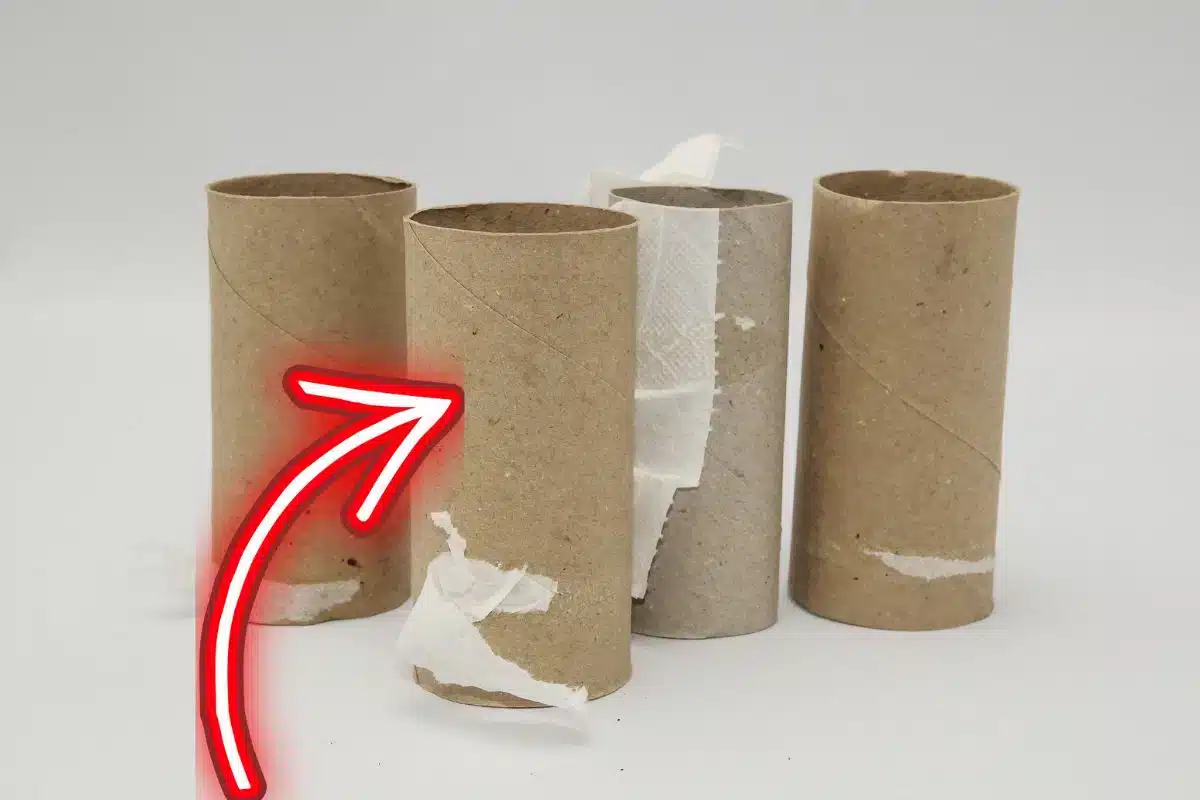
Most households generate waste materials that seem worthless yet hold remarkable potential for improving garden productivity. Cardboard tubes from toilet paper represent one of these overlooked resources, offering numerous benefits that experienced gardeners have long recognized. Rather than sending these items to recycling bins, transforming them into valuable soil amendments creates a sustainable cycle that enhances plant health while reducing household waste.
The science behind cardboard decomposition in garden soil
Understanding how cardboard materials break down reveals why toilet paper rolls work so effectively in garden applications. These tubes consist of simple cellulose fibers that microorganisms readily consume, creating nutrient-dense organic matter during decomposition. The process begins when moisture penetrates the cardboard structure, allowing beneficial bacteria and fungi to colonize the material.
The carbon-rich composition of cardboard toilet rolls provides essential balance within composting systems. Gardens need both nitrogen and carbon sources to maintain healthy biological activity, and these tubes deliver concentrated carbon that pairs perfectly with grass clippings and kitchen scraps. This balanced ratio accelerates the breakdown of all organic materials, producing finished compost more quickly than unbalanced mixtures.
Temperature and moisture levels significantly influence decomposition rates in garden environments. Warmer conditions speed bacterial activity, while adequate moisture ensures microorganisms remain active throughout the process. The fibrous structure of toilet rolls absorbs water efficiently, maintaining consistent moisture levels that support continuous breakdown. During several months of decomposition, these materials transform into dark, crumbly humus that plants absorb readily.
The physical structure of cardboard also improves air circulation within compost piles. Oxygen penetration allows aerobic bacteria to thrive, preventing anaerobic conditions that produce unpleasant odors. This improved aeration creates ideal conditions for thermophilic bacteria, which generate heat during active composting phases and destroy weed seeds or pathogens.
Underground ecosystem enhancement through simple cardboard addition
Soil-dwelling creatures respond dramatically to cardboard additions in garden beds. Earthworms particularly favor these materials as bedding and food sources, congregating wherever toilet rolls decompose beneath the surface. These beneficial organisms consume cardboard fibers, processing them through digestive systems that extract nutrients while creating castings superior to any commercial fertilizer.
The tunnel networks that earthworms create while feeding on cardboard dramatically transform soil structure and porosity. These channels allow water to penetrate deeper into the ground, reducing surface runoff and improving drought resistance. Plant roots follow these passages, accessing nutrients and moisture at greater depths than possible in compacted soils. The improved structure benefits everything from shallow-rooted herbs to deep-rooted vegetables.
Microbial populations flourish around decomposing toilet paper tubes, creating vibrant biological communities underground. Fungi develop extensive hyphal networks throughout the cardboard, breaking down cellulose into simpler compounds. Bacteria colonize these fungal highways, further processing organic matter into forms that plant roots absorb directly. This complex web of organisms creates natural disease suppression, reducing pathogen pressure on cultivated plants.
The gradual nutrient release from decomposing cardboard provides steady nutrition throughout growing seasons. Unlike synthetic fertilizers that deliver concentrated nutrients rapidly, these natural amendments supply minerals and organic compounds slowly over extended periods. This sustained release matches plant uptake patterns more effectively, reducing nutrient losses through leaching while supporting consistent growth.
Strategic implementation techniques for maximum garden benefit
Successfully incorporating toilet paper rolls into gardening routines requires consideration of placement and preparation methods. Direct burial around established plants creates underground decomposition zones that gradually enrich root zones. Simply dig shallow trenches alongside vegetables or flowers, position whole or torn tubes within these channels, then cover with soil. Roots naturally grow toward decomposing materials, accessing released nutrients directly.
Shredding cardboard tubes accelerates breakdown while improving integration with existing compost materials. Cut or tear rolls into strips measuring approximately one inch wide, then mix these pieces thoroughly with kitchen scraps and garden waste. The increased surface area exposed to microbial action speeds decomposition, producing finished compost weeks faster than whole tubes would require.
Consider these effective application methods for various garden situations :
- Layer flattened tubes between compost materials for improved aeration
- Create moisture-retaining mulch rings by placing whole tubes around plant bases
- Mix torn pieces with autumn leaves for sheet mulching pathways
- Bury tubes in planting holes before transplanting seedlings
Container gardening benefits equally from cardboard composting techniques. Indoor plants grown in pots need organic matter to maintain soil structure as existing materials decompose. Adding small pieces of toilet rolls to potting mix gradually releases nutrients while preventing soil compaction. The improved structure enhances drainage in containers, reducing root rot risks common with dense potting media.
Building regenerative systems through waste transformation
Transforming household waste into garden resources aligns perfectly with regenerative agriculture principles applicable at any scale. Rather than viewing toilet paper tubes as disposable items, recognizing their potential as soil amendments changes fundamental relationships with waste streams. This shift toward circular resource use reduces landfill contributions while building garden fertility from materials already present.
The environmental advantages extend beyond simple waste diversion. Gardens enriched with cardboard-derived compost develop deeper topsoil layers that sequester atmospheric carbon. This carbon storage function makes home gardens powerful tools for climate mitigation, capturing greenhouse gases within stable soil organic matter. Over years of consistent practice, these accumulated improvements create measurably healthier growing environments.
Reduced reliance on purchased inputs represents another significant benefit of using toilet paper rolls in gardens. Commercial fertilizers and soil amendments require energy-intensive manufacturing processes and transportation, generating substantial carbon footprints. By producing fertility from household materials, gardeners decrease demand for these products while saving money. The combined economic and environmental benefits make this practice valuable for sustainable food production at home.
Long-term garden health improves dramatically when biological soil building becomes standard practice. Diverse microbial communities supported by regular cardboard additions create resilient ecosystems that withstand environmental stresses. These living soils support robust plant growth naturally, reducing interventions needed throughout growing seasons while producing more nutritious harvests year after year.
