
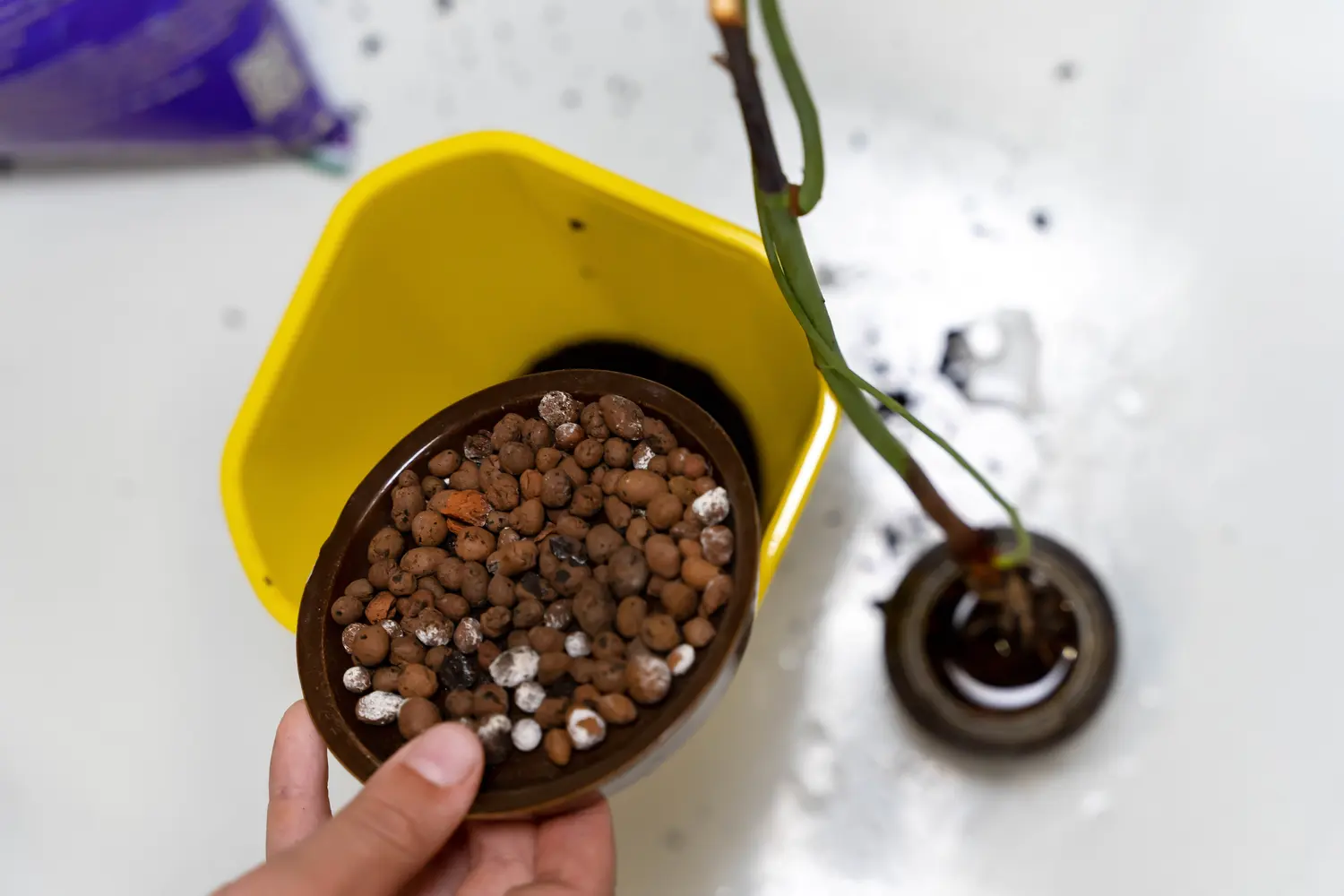
Plant drainage remains one of the most misunderstood aspects of successful gardening. While most gardeners understand that proper water evacuation is essential for healthy roots, a widespread practice actually creates more problems than it solves. Placing rocks, gravel, or clay pebbles at the bottom of pots that already have drainage holes represents a common yet potentially fatal mistake for your beloved plants.
Why drainage holes alone provide the best solution
The most effective drainage system for potted plants involves simple perforated containers without any additional layers. These holes allow excess water to flow freely through the soil and exit the pot, preventing moisture from accumulating around sensitive root systems. When water flows unobstructed through drainage openings, it creates the ideal environment for roots to access oxygen between watering sessions.
This straightforward approach offers an additional benefit : it provides immediate visual feedback about your watering habits. If water consistently pools in the saucer beneath your container, you’ll know you’re providing too much moisture. This natural indicator helps you adjust your care routine before problems develop. Remember to empty collection trays regularly, allowing the soil to dry properly between waterings.
If your favorite decorative pot lacks these essential openings, creating them yourself takes minimal effort. A drill with the appropriate bit can add several holes to most materials, transforming an unsuitable container into a perfectly functional planting vessel. Just position a protective saucer underneath to safeguard your floors or furniture from water damage.
The hidden dangers of adding rocks to perforated pots
Garden centers have promoted the practice of adding drainage layers for decades, suggesting that gravel or broken pottery shards improve water management. The recommendation typically calls for filling approximately one-fifth of the container with these materials before adding soil. However, when combined with drainage holes, this technique creates a dangerous situation for plant roots.
The fundamental problem occurs when these stone materials block the very openings designed to evacuate water. Instead of flowing out through the bottom holes, moisture becomes trapped in the lower section of the pot, exactly where roots are most vulnerable. This stagnant water creates the perfect conditions for root rot, fungal diseases, and eventual plant death.
Consider these specific risks when combining rocks with perforated containers :
- Obstructed drainage holes prevent water from escaping the pot entirely
- Moisture accumulates directly against root systems, causing asphyxiation
- Leaves begin yellowing and softening as roots deteriorate
- Fungal infections spread rapidly in constantly damp conditions
- Plant growth stops as oxygen becomes unavailable to roots
The irony lies in the fact that gardeners implement this technique with the best intentions, believing they’re protecting their plants from waterlogged soil. Instead, they’re creating exactly the problem they hoped to prevent.
Space limitations compound the problem
Beyond the water management issues, adding a rock layer steals valuable growing space from your plants. When you dedicate twenty percent of your container to stones, you reduce the available soil volume by the same proportion. This becomes particularly problematic for plants already confined to smaller pots.
Roots need adequate room to expand and develop properly. When forced into a reduced soil volume, they respond by circling around themselves or simply stopping their growth altogether. This restriction weakens the entire plant, making it more susceptible to stress, disease, and environmental challenges. For plants that thrive with extensive root systems, this space reduction can mean the difference between flourishing and merely surviving.
Choosing containers of appropriate size becomes even more critical when you understand this relationship. Your plants deserve every available inch of growing medium to support their development. Similar to how this step is essential right now, hydrangeas bloom faster after you do it, proper space management directly impacts plant vitality and flowering potential.
Understanding when drainage layers make sense
The drainage layer concept isn’t inherently flawed in every situation. When working with containers without drainage holes, adding rocks or gravel serves a legitimate purpose by creating a reservoir where excess water can collect away from roots. In these specific circumstances, the stone layer prevents soil from becoming completely waterlogged.
However, this represents a compromise solution rather than an ideal one. Pots without drainage fundamentally challenge successful plant cultivation because they require extremely precise watering. Too much moisture has nowhere to escape, while the drainage layer merely delays rather than prevents saturation problems.
The key principle to remember : choose either perforated pots or drainage layers, never both simultaneously. These two systems work against each other when combined, creating the worst possible conditions for root health. For long-term plant success, drainage holes remain the superior option in virtually every scenario.
