
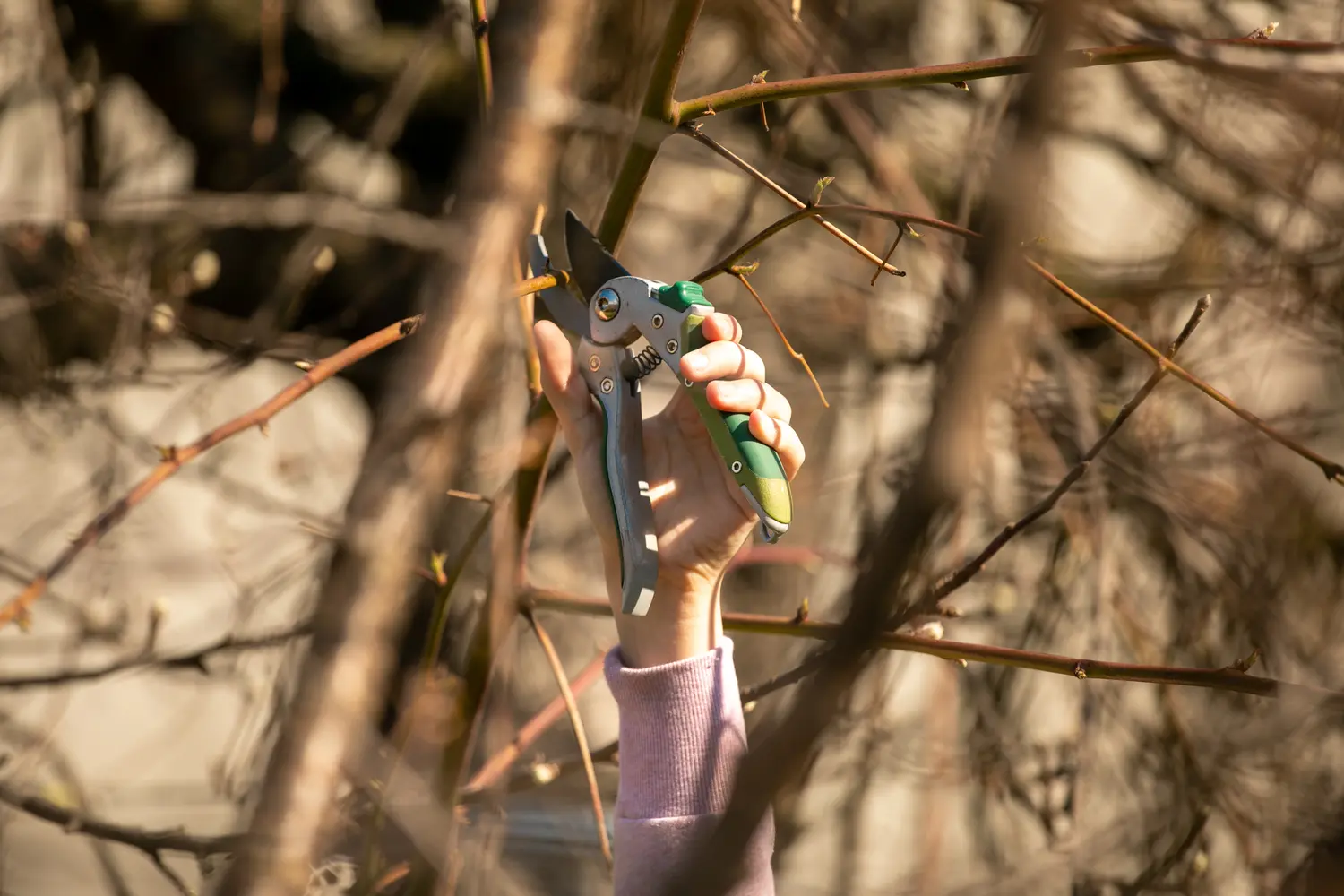
The transition from winter to spring represents a critical window for gardeners who want to ensure vibrant, healthy plants throughout the growing season. Many trees, shrubs, and climbing plants require precise timing when it comes to pruning, and late February stands as the ultimate deadline for several species. Understanding why this timing matters can make the difference between a flourishing garden and one that struggles to recover from poorly timed cuts.
Understanding sap flow and its impact on pruning success
As temperatures begin to warm in late winter, plants naturally respond by initiating their annual growth cycle. This process involves sap rising from the root system through the trunk and branches, delivering essential nutrients to dormant buds that will soon burst into leaf and flower. When you cut into a branch after this physiological process has begun, the wound literally weeps sap, sometimes in substantial quantities.
This phenomenon, often called “bleeding,” doesn’t necessarily kill the plant, but it significantly weakens it. The lost sap represents valuable energy reserves that should be fueling new growth. Furthermore, these weeping wounds take considerably longer to seal and heal, leaving the plant vulnerable to disease, pest invasion, and environmental stress. By completing your pruning work before March arrives, you allow cuts to close quickly and cleanly, setting the stage for vigorous spring development.
Certain tree species are particularly susceptible to this sap loss. Birch, maple, walnut, and hornbeam all experience dramatic sap flow when cut during active growth. While a mature specimen might survive such treatment, younger trees can be permanently compromised. The energy drain affects not just immediate recovery but can impact flowering and fruiting potential for the entire season ahead.
Fruit trees and vines requiring immediate attention
Among the most important candidates for pre-March pruning are your fruit-bearing trees and vines. Pome fruits, specifically apple and pear trees, benefit tremendously from structural pruning completed before sap rises. This timing allows you to shape the framework, remove crossing branches, and encourage the horizontal growth that promotes better fruit production. The cuts heal rapidly when made during dormancy, and the tree responds by directing energy toward developing strong fruiting spurs.
Stone fruits present a different consideration. Cherry and plum trees generally prefer post-harvest pruning rather than late winter cuts, as they’re less susceptible to sap bleeding but more prone to disease entry through winter wounds. However, light corrective work can still be accomplished if absolutely necessary before March.
Grapevines and kiwi plants (Actinidia species) absolutely must receive attention before the growing season begins. These vigorous climbers produce copious sap flow once temperatures warm, and late pruning results in extensive bleeding that weakens the plant considerably. Establishing your desired framework and removing excessive growth now ensures these productive plants channel their energy into fruit development rather than wound recovery. For similar timing considerations with other flowering shrubs, this step is essential right now, hydrangeas bloom faster after you do it.
Ornamental shrubs and climbers needing winter pruning
Your garden’s ornamental elements also require timely attention. Repeat-flowering roses benefit from pruning completed just before they break dormancy. This practice accomplishes several goals simultaneously : removing dead or diseased wood, improving air circulation through the plant’s center, and stimulating the development of strong new shoots that will carry abundant blooms. The timing ensures wounds seal before disease spores become active in spring’s warmer, wetter conditions.
Wisteria represents another climbing plant that demands pre-spring pruning. This exceptionally vigorous grower can quickly overwhelm structures and neighboring plants if left unchecked. Late winter pruning serves dual purposes—controlling size and encouraging flower bud formation. By shortening the whippy growth produced the previous summer, you redirect the plant’s energy toward developing the short flowering spurs that will produce those spectacular cascading blooms.
Climbing honeysuckle varieties also respond well to February trimming. Removing tangled growth and shortening overextended stems promotes bushier, more floriferous growth as temperatures rise. These plants tolerate hard pruning when dormant but can suffer setbacks if cut once growth has commenced.
Key species requiring attention before March :
- Apple and pear trees for structural development and improved fruiting
- Birch, maple, and walnut trees to avoid severe sap bleeding
- Grapevines and kiwi plants before vigorous spring growth begins
- Repeat-flowering roses to remove dead wood and encourage blooms
- Wisteria and honeysuckle to control growth and promote flowering
Wildlife considerations and hedge maintenance
Beyond the physiological reasons for completing pruning before March, there’s an equally important ecological consideration. Conservation organizations, including the League for the Protection of Birds, strongly recommend avoiding hedge trimming from mid-March through late July. This extended period corresponds with nesting season for numerous bird species that depend on hedgerows for shelter and breeding habitat.
Hedges that receive attention in February can be shaped and controlled without disrupting wildlife. Whether you’re maintaining formal hedges of hornbeam or informal mixed hedgerows, completing this work now means your garden supports both aesthetic goals and biodiversity. The plants have time to heal and begin growth before birds begin nest-building activities.
Taking action in these final weeks of winter positions your garden for success throughout the coming seasons. The plants you prune now will reward your timely attention with vigorous growth, abundant flowers, and healthy fruit production. Missing this window doesn’t necessarily spell disaster, but it does mean accepting compromised performance and potentially stressed plants. The effort invested now pays dividends when spring arrives in full force.
