
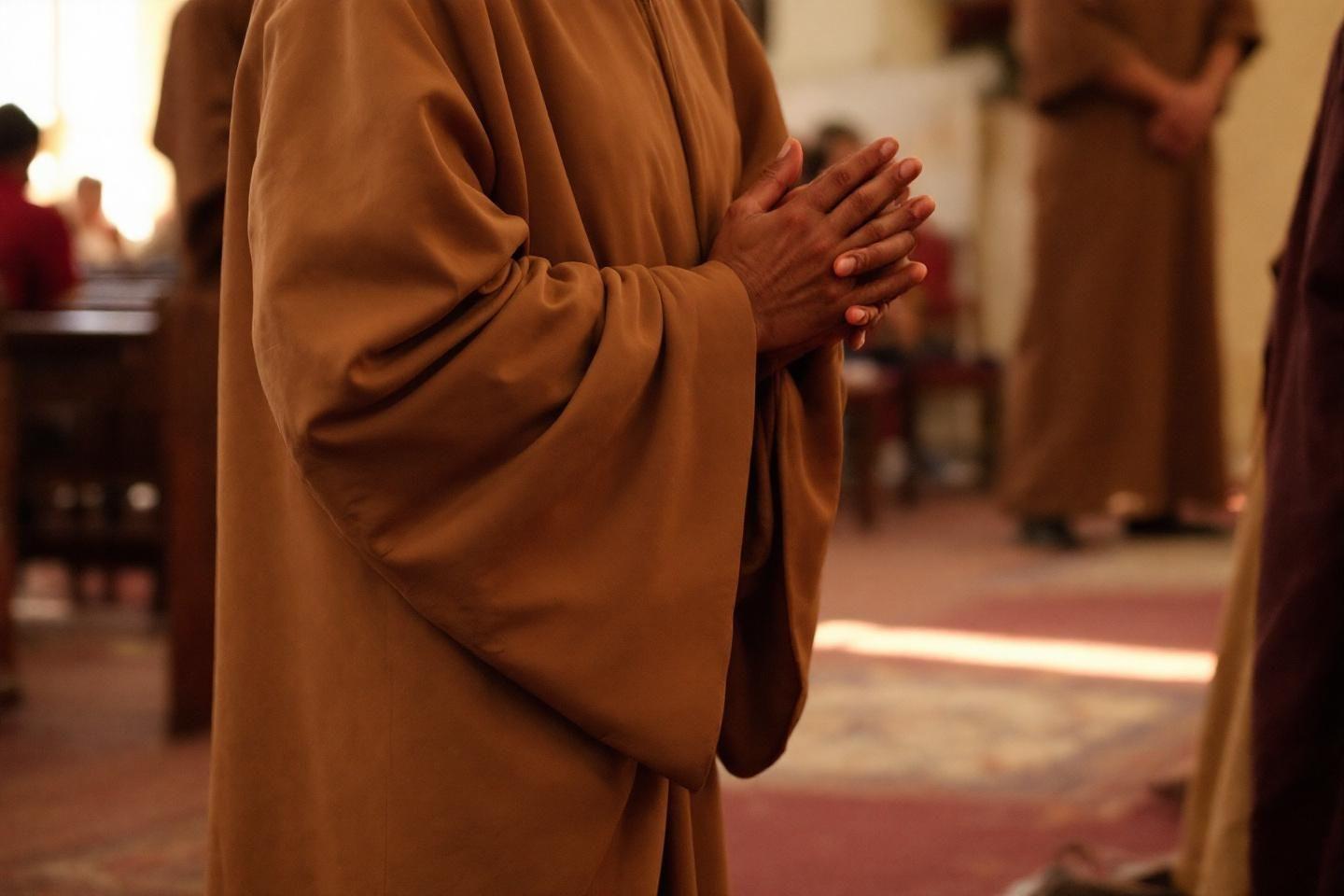
Seeking forgiveness represents one of humanity’s most profound spiritual practices, transcending religious boundaries and cultural differences. Whether you feel burdened by past mistakes, struggling with guilt, or simply seeking spiritual renewal, prayer for forgiveness offers a pathway toward healing and peace. This ancient practice allows us to acknowledge our imperfections, take responsibility for our actions, and reconnect with our higher purpose. Throughout history, people from all faith traditions have turned to prayer as a means of seeking absolution and restoring their relationship with the divine.
The act of praying for forgiveness involves more than simply reciting words. It requires genuine introspection, humility, and a sincere desire to change. Many spiritual leaders, including Pope Francis, the Dalai Lama, and various Protestant ministers, emphasize that authentic repentance must come from the heart. When we approach prayer with honest intentions, we open ourselves to transformation that extends beyond temporary relief, creating lasting change in our character and behavior.
Understanding the spiritual foundation of forgiveness prayers
The concept of seeking divine forgiveness appears consistently across major world religions, each offering unique perspectives on redemption and grace. In Christianity, Jesus Christ taught extensively about forgiveness, emphasizing that God’s mercy remains available to all who genuinely repent. The Lord’s Prayer itself includes the petition for forgiveness, demonstrating its central importance to Christian faith. Similarly, Islam incorporates regular acts of seeking Allah’s forgiveness through practices like Istighfar, while Judaism observes Yom Kippur, the Day of Atonement, dedicated specifically to repentance and reconciliation.
These traditions share common elements that make prayers for forgiveness effective. First, they require acknowledgment of wrongdoing without excuses or justifications. Second, they demand genuine remorse for the harm caused to others or ourselves. Third, they involve a commitment to change and avoid repeating the same mistakes. Finally, they express faith that divine mercy transcends human failings. Understanding these foundational principles helps us approach forgiveness prayer with the proper mindset, increasing its transformative potential in our lives.
Different faith traditions offer various methods for seeking forgiveness. Christians may confess sins to God directly or through sacramental confession with a priest. Muslims perform ablution before prayer and seek forgiveness multiple times daily. Buddhists practice meditation focused on compassion and self-forgiveness. Regardless of the specific religious framework, the underlying principle remains consistent : acknowledging our shortcomings represents the first step toward spiritual growth and moral improvement.
Essential elements to include in your forgiveness prayer
Crafting an effective prayer for forgiveness requires incorporating several key components that enhance its spiritual power. These elements work together to create a comprehensive approach to seeking absolution and experiencing genuine transformation. Consider including these aspects in your personal prayers :
- Specific acknowledgment of the wrong committed rather than vague generalizations
- Expression of genuine remorse and understanding of how your actions affected others
- Request for divine mercy and grace to overcome your shortcomings
- Commitment to make amends where possible and change your behavior
- Gratitude for the opportunity to seek forgiveness and start anew
- Petition for strength and wisdom to avoid similar mistakes in the future
The specificity of your prayer matters significantly. Rather than offering generic confessions, naming particular actions or attitudes that require forgiveness demonstrates deeper self-awareness. This honesty before God creates space for authentic spiritual healing. Saint Augustine famously wrote extensively about his past sins in his Confessions, demonstrating how specific acknowledgment leads to profound transformation and eventual redemption.
Additionally, your prayer should balance asking for forgiveness with expressing willingness to forgive others. Many spiritual traditions teach that receiving forgiveness correlates directly with our capacity to extend mercy to those who have wronged us. This reciprocal relationship appears in the Christian Lord’s Prayer, where believers ask God to “forgive us our trespasses, as we forgive those who trespass against us,” creating a connection between divine and human forgiveness.
| Prayer component | Purpose | Example phrase |
|---|---|---|
| Acknowledgment | Recognizing specific wrongdoing | “I confess that I have…” |
| Remorse | Expressing genuine sorrow | “I deeply regret the pain caused…” |
| Request | Seeking divine mercy | “Please forgive my transgressions…” |
| Commitment | Pledging behavioral change | “I resolve to改正 my ways…” |
| Gratitude | Thanking for mercy received | “Thank you for your boundless grace…” |
Transforming your life through consistent forgiveness practice
The true power of forgiveness prayers emerges not from a single desperate plea but from regular, disciplined practice integrated into daily spiritual life. Many people experience profound changes when they establish consistent routines for seeking forgiveness and examining their conscience. This ongoing practice prevents the accumulation of guilt and maintains spiritual clarity, much like regular physical exercise maintains bodily health.
Establishing a daily forgiveness practice might include setting aside specific time each evening for self-examination and prayer. During this period, reflect on your actions and attitudes throughout the day, identifying moments when you fell short of your values. Rather than becoming overwhelmed by guilt, approach this examination with compassion and a determination to grow. Many spiritual directors recommend keeping a journal to track patterns and progress, helping you identify recurring issues that require deeper attention and transformation.
Beyond personal spiritual benefits, regular forgiveness practice improves relationships and mental health. Research from institutions like Duke University and the Mayo Clinic demonstrates that forgiveness reduces stress, lowers blood pressure, and improves overall well-being. When we release resentment toward others and ourselves through prayer, we experience psychological freedom that enhances every aspect of life. This healing extends outward, improving our capacity for compassion, patience, and understanding in all relationships.
Remember that seeking forgiveness represents an ongoing journey rather than a destination. Even the most devoted spiritual practitioners continue this practice throughout their lives, recognizing that growth and imperfection coexist. Approach your forgiveness prayers with patience, trusting that divine mercy works gradually to transform your heart. As you persist in this practice, you’ll discover increasing peace, deeper relationships, and a stronger connection to your spiritual foundation, regardless of your religious tradition or background.
