
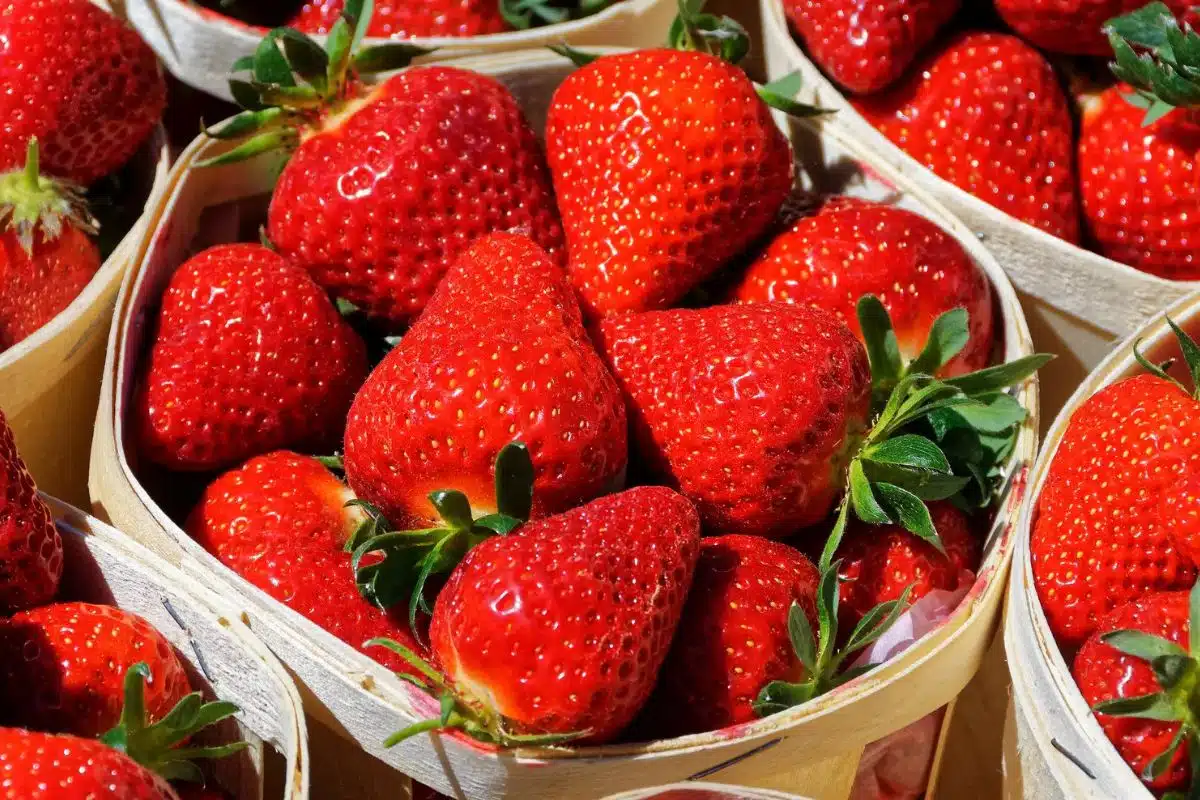
Strawberries rank among the most cherished fruits worldwide, celebrated for their vibrant appearance and naturally sweet flavor. However, these delicate berries pose a significant challenge for home cooks and fruit enthusiasts who watch helplessly as their purchases deteriorate within days. The conventional wisdom of storing them in refrigerators or displaying them in decorative fruit bowls actually contributes to premature spoilage rather than preventing it. Understanding the science behind strawberry preservation reveals surprisingly effective methods that keep these summer treasures fresh and flavorful considerably longer than traditional approaches allow.
Why traditional storage methods fail strawberries
The refrigerator paradox represents one of the most common mistakes people make when storing fresh berries. While cold temperatures seem like the logical solution for fruit preservation, refrigeration fundamentally alters the cellular structure of strawberries. The cold environment affects their texture, turning them mealy and compromising their natural sweetness. Additionally, refrigerators create condensation that introduces excess moisture around the berries, creating the perfect breeding ground for mold and bacterial growth.
Fruit bowls present an entirely different set of problems. When strawberries sit exposed to ambient air, they experience rapid moisture loss from their delicate flesh. The combination of room temperature and air exposure accelerates enzymatic processes that break down the fruit’s cellular walls. This environment also exposes berries to household humidity fluctuations, which can be just as damaging as refrigerator condensation. Much like how thoughtful organization in living spaces reflects attention to detail, proper fruit storage requires understanding environmental factors.
The ethylene gas factor plays a crucial role in premature deterioration. When one strawberry begins decomposing, it releases ethylene that signals neighboring berries to accelerate their ripening and decay processes. In open bowls or tightly sealed refrigerator containers, this gas becomes concentrated, creating a domino effect of spoilage. Temperature fluctuations compound these issues, especially when berries move between cold storage and room temperature repeatedly during consumption periods.
Choosing berries that naturally last longer
The preservation journey begins before berries ever enter your home. Since strawberries cease ripening after harvest, selecting properly mature fruit determines their potential shelf life. Examine packaging carefully, looking for breathable containers made from wood or cardboard rather than sealed plastic clamshells. These materials facilitate air circulation that prevents moisture accumulation while protecting berries from crushing damage.
Visual inspection reveals quality indicators that predict longevity. Choose berries displaying uniform deep red coloration without white or green shoulders, which indicate premature picking. The green caps should appear fresh and firmly attached, serving as natural protective seals. Avoid packages containing berries with soft spots, bruising, or visible moisture, as damaged fruit spreads decay rapidly throughout the container.
Consider these selection criteria when purchasing strawberries :
- Color consistency : uniform red hue indicates proper ripening
- Firm texture : berries should resist gentle pressure without squashing
- Fresh caps : green leaves show recent harvest
- Dry surfaces : no visible condensation or moisture spots
- Sweet aroma : natural fragrance without fermented smell
Variety selection matters significantly for storage purposes. Early season types like Dream and Cléry typically offer better keeping qualities than summer varieties, which contain higher water content making them more perishable. Smaller berry varieties often concentrate flavor compounds and maintain structural integrity longer than oversized specimens bred primarily for visual appeal.
The optimal storage environment revealed
The ideal strawberry storage location combines controlled humidity, adequate ventilation, and stable cool temperatures without refrigeration’s drawbacks. Select a glass or rigid plastic container with a secure lid that allows for slight air exchange. Begin by lining the container bottom with absorbent paper towels, which capture excess moisture throughout storage duration. This moisture management approach mirrors principles used in various household organization methods, including smart space-saving solutions that optimize function through thoughtful design.
Layer arrangement requires careful attention to prevent crushing and promote air circulation. Place unwashed strawberries in a single layer whenever container size permits. For multiple layers, insert paper towel sheets between levels to prevent direct contact and absorb migrating moisture. Leave the container lid slightly ajar or create small ventilation holes that balance humidity retention with necessary air exchange.
Store this prepared container in a cool, dark location such as a pantry, cellar, or well-ventilated cupboard maintaining temperatures between 36 and 40 degrees Fahrenheit. This temperature range slows enzymatic activity and microbial growth without causing the textural damage associated with standard refrigeration. The absence of light prevents chlorophyll degradation in the green caps while preserving the berries’ vibrant color and nutritional compounds.
Pre-storage preparation techniques
Before arranging strawberries in storage containers, consider implementing a vinegar solution bath that eliminates surface bacteria and mold spores without affecting flavor profiles. Mix one part white vinegar with three parts water, then briefly immerse berries for approximately ninety seconds. This natural antimicrobial treatment significantly extends freshness by reducing microbial populations that cause decay.
Thorough drying after treatment proves essential for success. Use clean paper towels to gently pat each berry until completely dry, as residual moisture negates preservation benefits. Never remove the green caps before storage, despite temptation to prepare berries in advance. These natural coverings protect the delicate flesh beneath and seal the entry point where moisture loss and contamination occur most readily.
Resist washing strawberries until immediately before consumption. Water introduction creates surface moisture that promotes rapid mold development regardless of storage method employed. Instead, inspect stored berries daily and remove any showing early decay signs. A single deteriorating berry releases compounds that accelerate spoilage throughout the container, making prompt removal critical for preserving remaining fruit.
For extended preservation needs, prepare a honey solution by dissolving one tablespoon in one cup water. A brief dip creates a protective coating that naturally inhibits microbial growth while enhancing inherent sweetness. This technique adds one to two days to storage duration without compromising taste or texture, making it ideal for special occasions requiring advance preparation.
Daily monitoring and strategic consumption maximize freshness throughout storage periods. Check containers regularly, consuming the ripest berries first while less mature specimens continue developing flavor. This rotation system ensures optimal taste throughout the storage cycle while preventing waste from overlooked spoilage. With these comprehensive techniques, strawberries maintain their delightful characteristics far beyond expectations, delivering consistent quality and flavor that justifies proper storage investment.
