
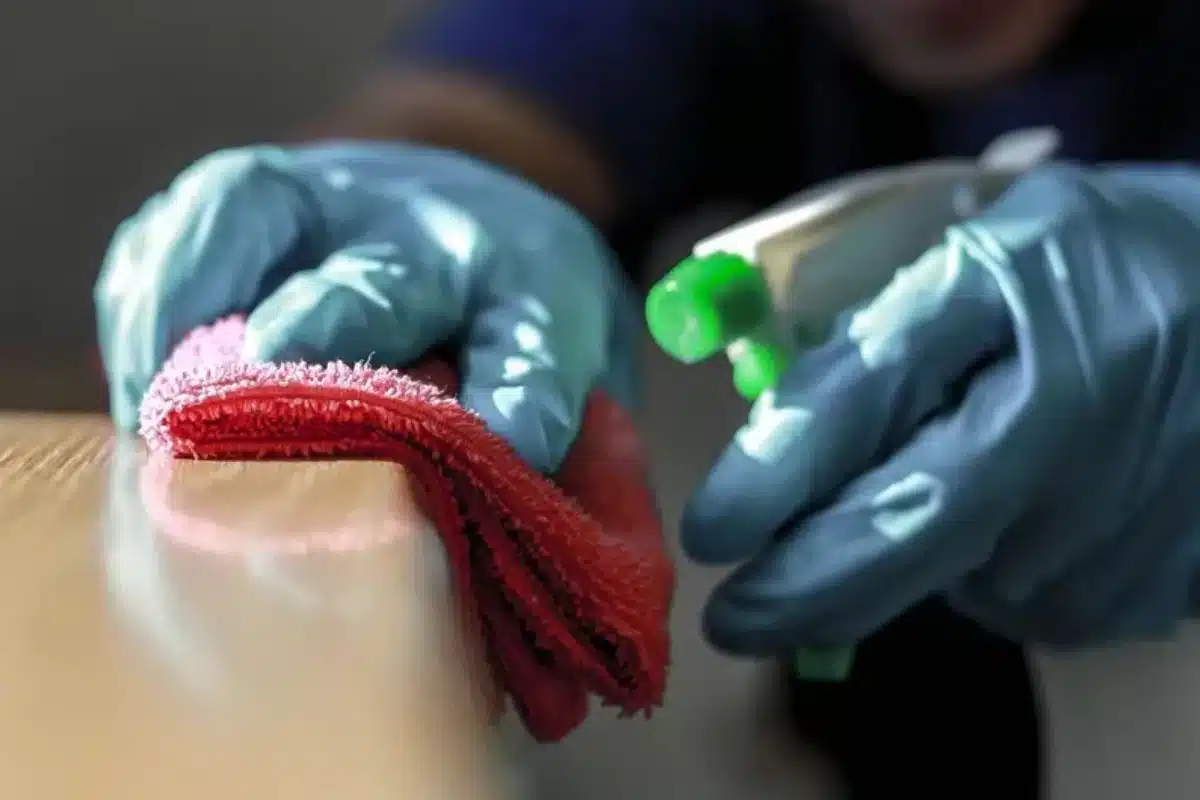
Window moisture accumulation represents one of the most frustrating household challenges during colder months. When droplets form on glass surfaces, they signal an underlying issue that demands immediate attention. This persistent problem not only creates unsightly water marks but also establishes the perfect breeding ground for harmful mold spores. Understanding the mechanisms behind this phenomenon and implementing proven prevention strategies can protect your home from long-term damage while safeguarding your family’s health.
Understanding why moisture forms on windows
The science behind window condensation is straightforward yet crucial to grasp. Warm interior air contains significant amounts of water vapor, which remains invisible until it encounters a cold surface. Your windows serve as the coldest barrier between indoor comfort and outdoor temperatures. When humid air touches these chilled glass panes, the temperature drop causes water vapor to convert instantly into liquid droplets. This transformation occurs because cold air simply cannot hold as much moisture as warm air.
The severity of this issue intensifies during winter when the temperature differential between inside and outside becomes extreme. Multiple factors contribute to excessive indoor humidity, including daily activities like cooking, bathing, and even breathing. Each person in a household releases approximately half a liter of water vapor during sleep alone. Without proper moisture management, these droplets accumulate rapidly, creating puddles on windowsills and potentially seeping into surrounding walls. The consequences extend beyond mere inconvenience : persistent dampness deteriorates paint finishes, damages wallpaper adhesion, and compromises wooden frames. More concerning, these wet conditions create an ideal environment where black mold colonies thrive within days.
Targeted strategies for bathroom moisture control
Bathrooms generate enormous amounts of steam due to hot showers and baths. The key to managing bathroom condensation lies in containment and rapid ventilation. Installing properly fitted shower curtains or glass enclosures prevents water vapor from spreading throughout the space. These barriers trap steam within the immediate shower area, making it easier to extract moisture before it settles on windows and walls.
Beyond containment, active ventilation proves essential. Run exhaust fans during every shower or bath, and continue operating them for at least fifteen minutes afterward. Many homeowners make the mistake of switching off ventilation too quickly, allowing residual humidity to condense on cooler surfaces. If your bathroom lacks mechanical ventilation, opening windows wide immediately after bathing creates natural airflow that carries moisture outdoors. Keeping the bathroom door closed during and after water use prevents steam from migrating to other rooms where it will inevitably find cold windows to settle upon.
Additional bathroom prevention measures
Consider wiping down wet surfaces immediately after use. A quick pass with an absorbent cloth or squeegee removes excess water from tiles, mirrors, and windows before it can evaporate into the air. This simple habit significantly reduces the overall moisture load that ventilation systems must handle. Installing a dehumidifier in particularly problematic bathrooms can also help maintain optimal humidity levels year-round.
Kitchen tactics to minimize water vapor
Kitchens rival bathrooms as humidity generators due to constant cooking activities. Every boiling pot and simmering pan releases substantial amounts of steam that quickly saturates indoor air. The most effective prevention strategy involves using range hoods consistently. Activate your exhaust fan before you begin cooking and let it run for several minutes after finishing. This removes steam at its source before it disperses throughout your home.
Implementing these practices dramatically reduces kitchen condensation :
- Cover all pots and pans with tight-fitting lids to trap steam instead of releasing it into the room
- Open windows slightly during extended cooking sessions to establish cross-ventilation
- Keep kitchen doors closed to prevent moisture migration into adjacent spaces
- Wipe down windows immediately if condensation appears during cooking
- Avoid using kettles or steamers near windows whenever possible
These straightforward adjustments require minimal effort but deliver substantial results. Many modern range hoods feature multiple speed settings; use higher speeds for activities that generate more steam, such as pasta boiling or steaming vegetables. Remember that even small amounts of escaping steam accumulate throughout the day, eventually overwhelming your home’s natural moisture balance.
Bedroom approaches for overnight condensation prevention
Bedrooms frequently experience severe morning condensation due to specific nighttime conditions. The most common mistake involves completely shutting off heating during sleep hours. This practice causes dramatic temperature drops that guarantee window moisture formation. Instead, reduce heating to a lower but constant temperature that maintains a stable thermal environment. Modern programmable thermostats make this adjustment effortless while still providing energy savings.
Human respiration contributes significantly to bedroom humidity. Two people sleeping together release considerable water vapor throughout the night, all of which seeks the coldest available surface—typically windows. Never dry laundry in bedrooms, as this practice floods the space with additional moisture that has nowhere to escape. Opening windows slightly before bedtime, even just a crack, introduces fresh air circulation that prevents humidity buildup without creating uncomfortable drafts.
Upon waking, immediately ventilate the bedroom by opening windows wide for ten to fifteen minutes. This morning airing removes accumulated moisture and resets humidity levels. If condensation has already formed, wipe windows dry with absorbent cloths to prevent water from pooling and creating mold-friendly conditions. Maintaining consistent indoor temperatures throughout the day and night represents the single most effective long-term strategy for eliminating bedroom window condensation permanently.
