
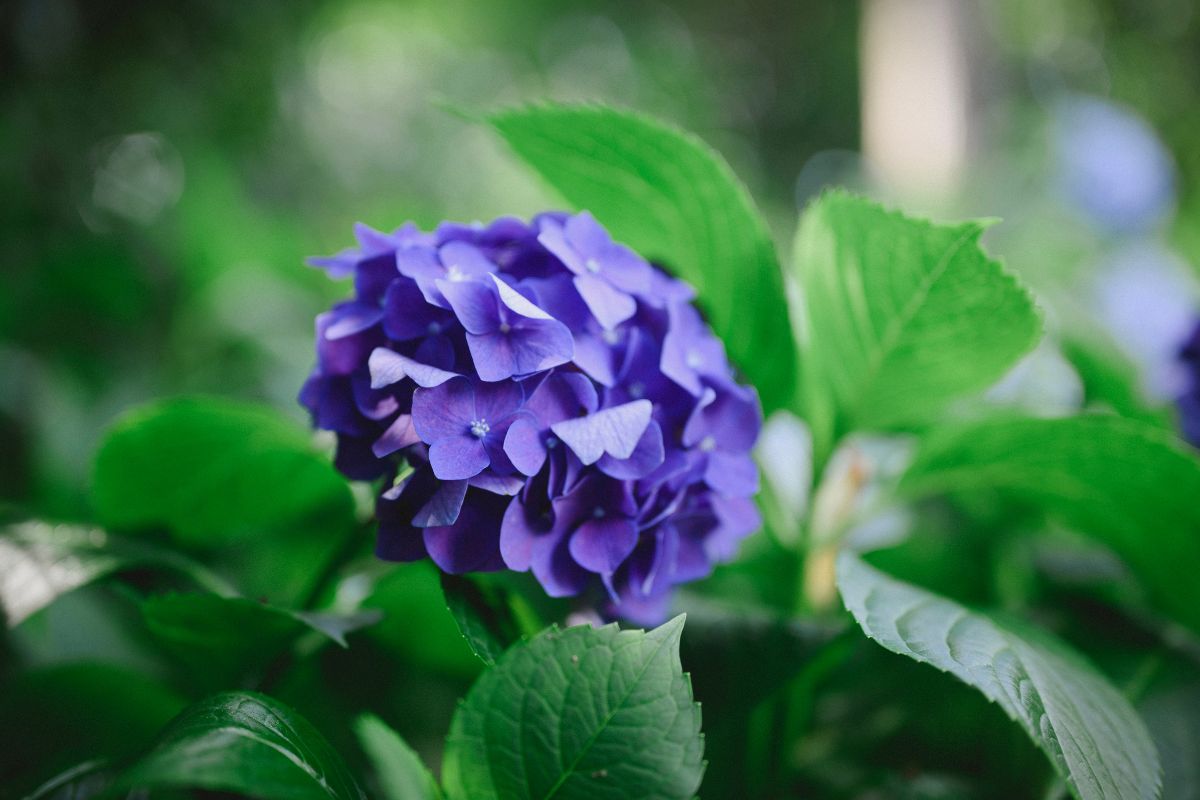
Late February marks a critical window for gardeners who want their hydrangeas to produce spectacular displays throughout the warmer months. These beloved perennials captivate with their abundant, vibrant blooms and their reliable return each year. However, achieving those impressive flower clusters requires more than simply planting and waiting. One essential task performed now will determine whether your shrubs deliver breathtaking color or disappointing results when temperatures rise.
Many gardeners feel hesitant during this period, concerned that frost damage might harm emerging growth as plants transition from their winter rest. Yet this precise timing offers the perfect opportunity to assess your hydrangeas and prepare them properly. Acting now ensures your shrubs direct their energy toward producing larger, more colorful blooms rather than wasting resources on damaged or unproductive wood.
Understanding why late winter timing matters
The period before hydrangeas fully awaken from dormancy represents the optimal window for performing maintenance work. During these weeks, bare branches reveal the plant’s structure clearly, allowing you to identify problems that foliage would otherwise hide. This visibility proves invaluable when evaluating which stems remain healthy and which sustained winter damage.
Completing this work before new growth accelerates minimizes stress on the plant. When you remove problematic wood early, your hydrangea concentrates its energy on developing fresh shoots rather than attempting to revive sections that won’t contribute to the coming season’s display. This strategic timing helps establish strong foundations for abundant flowering when warm weather arrives.
Frost damage frequently affects flower buds during winter months, particularly in exposed locations. Addressing these issues now prevents your shrub from directing nutrients toward branches that cannot produce blooms. By eliminating compromised wood early, you ensure maximum flowering potential from healthy portions of the plant. These plants need to be pruned right now before the growing season fully begins.
Garden expert Lee Burkhill, recognized for his horticultural achievements, emphasizes that understanding proper technique remains essential for achieving beautiful results. He performs this task on his own hydrangeas during late February, noting that the process requires minimal time and equipment. According to his guidance, the procedure demands only sharp, clean pruning shears and basic knowledge of where to make cuts.
Step-by-step approach to early spring maintenance
Begin by examining the dried brown flower heads remaining from the previous season. These spent blooms should be removed just above the first set of green buds appearing on each stem. This initial cut immediately improves visibility, allowing you to assess the overall structure more effectively. Once these remnants are cleared, you gain a clearer perspective on which branches require further attention.
Next, focus on the oldest stems within your hydrangea. Select approximately one-quarter of these mature branches and remove them completely, cutting cleanly at ground level. This renewal process encourages fresh growth while maintaining a balanced framework. Removing aged wood stimulates the plant to produce vigorous new shoots that will carry larger, more vibrant blooms during summer months.
Following this step, evaluate the center of your shrub carefully. Dense, overcrowded growth restricts air circulation and creates ideal conditions for disease development. Identify any crossing or tangled branches and remove them systematically. This thinning process not only improves plant health but also simplifies future maintenance by preventing stems from becoming intertwined as they grow.
After addressing congestion issues, reduce the height of remaining stems. Cut each one above a bud at approximately one-third of its total height, or at a major node junction. This reduction prevents top-heavy growth that might cause branches to sag or break once laden with flowers. Making cuts at appropriate points ensures new growth emerges from strong positions along each stem.
Completing the process and avoiding common mistakes
The final assessment involves stepping back to view the overall appearance of your hydrangea. The shrub should look open and well-ventilated, with clearly spaced branches that allow air to circulate freely. This structure reduces humidity around foliage, which helps prevent fungal problems during humid summer conditions. An open framework also ensures that sunlight reaches interior portions of the plant, encouraging flowering throughout the entire shrub rather than only on outer edges.
Many gardeners worry excessively about damaging their hydrangeas through incorrect cuts, leading them to avoid this task entirely. However, these resilient plants tolerate pruning remarkably well when performed at the appropriate time. The key lies in using sharp tools that create clean cuts rather than ragged tears, which heal more slowly and invite disease organisms.
Sterilizing your pruning equipment between cuts, particularly when moving between different plants, prevents disease transmission. A simple wipe with rubbing alcohol or a diluted bleach solution provides adequate protection. This small precaution protects your entire garden from potential pathogens that might otherwise spread through contaminated tools.
Beyond structural work, consider supplementary care measures that support vigorous growth. Always keep your coffee grounds as they provide valuable nutrients that hydrangeas appreciate. Applying a layer of organic mulch around the base helps retain moisture while moderating soil temperature fluctuations during unpredictable spring weather.
Maximizing results throughout the growing season
Once you complete this essential maintenance work, your hydrangeas will channel their resources into producing impressive floral displays. The combination of removing aged wood, thinning congested areas, and reducing overall height creates ideal conditions for robust flowering. Fresh shoots emerge vigorously from properly maintained plants, developing strong stems capable of supporting large bloom clusters.
As temperatures climb and daylight hours increase, monitor your hydrangeas for signs of new growth. The buds you preserved during pruning will swell and develop, eventually producing the spectacular flowers that make these shrubs so beloved. Consistent watering during dry spells supports this development, ensuring blooms reach their full size and color intensity.
The investment of time spent on this task now yields dividends throughout summer and beyond. Well-maintained hydrangeas not only bloom more profusely but also develop stronger overall structure that improves their appearance even when not flowering. This annual cycle of care establishes long-term health that allows these perennials to thrive for many seasons, delivering reliable beauty year after year.
