
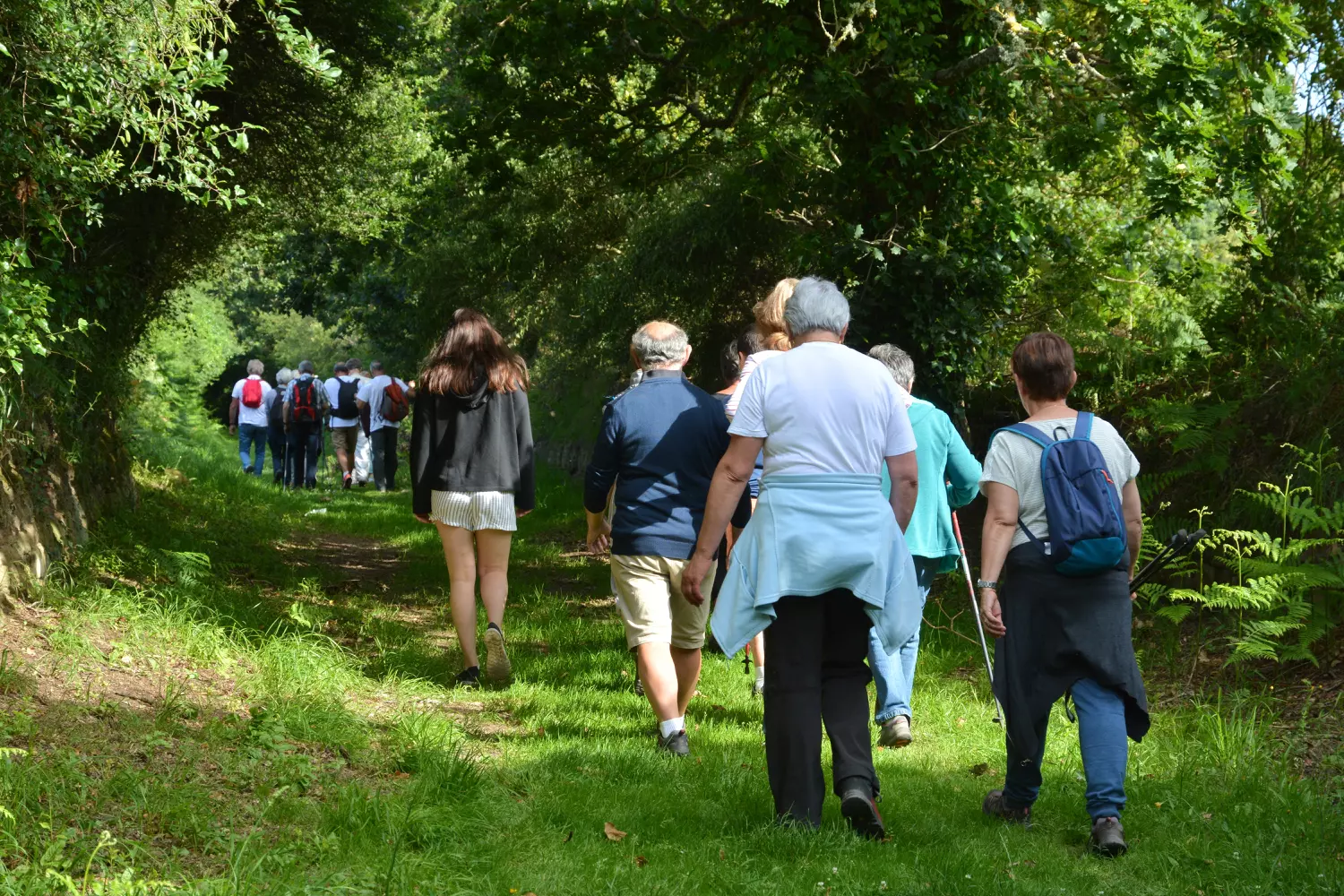
Walking has long been celebrated as one of the simplest yet most powerful ways to improve our health. But recent scientific findings are challenging some widely held beliefs about how we should approach this everyday activity. While the health benefits of walking remain undeniable, researchers are now revealing that the quality of your walking habits matters far more than hitting an arbitrary daily step count.
The notion that we must reach 10,000 steps each day has become deeply embedded in popular culture. Yet this target, originally promoted by a Japanese marketing campaign in the 1960s, lacks solid scientific foundation. Modern research suggests that focusing on specific walking characteristics delivers better results than simply tracking numbers on your fitness device.
Why walking duration matters more than step counts
According to research published in Science Daily, Professor Art Kramer’s study revealed something fascinating : walking for approximately 40 minutes, just three times weekly, significantly enhances our cognitive abilities. This finding shifts the conversation away from step counting toward time-based goals. The brain benefits particularly when it comes to executive functions, which include planning, scheduling, memorizing information, solving complex problems, and managing multiple tasks simultaneously.
These cognitive improvements happen because our brain operates as an interconnected circuit rather than isolated regions. As Dr. Kramer explains, these neural networks can either strengthen or weaken their connectivity, especially as we age. Regular physical activity helps maintain and even improve these crucial connections. Beyond cognitive health, consistent walking reduces stress levels, alleviates anxiety symptoms, and improves sleep quality—benefits that feel increasingly essential in our stress-filled modern world.
However, a February 2023 study published in Nature Human Behavior examined over 24 existing studies on walking benefits and concluded that some claims had been somewhat overstated due to fragile data. This doesn’t diminish walking’s value, but rather highlights that not all walking practices produce equal results. Understanding which characteristics make walking truly beneficial becomes essential for maximizing health outcomes. People who stay active and happy at 60 and beyond usually adopt these daily habits, including strategic walking routines.
The optimal step range backed by science
Dr. Paluch, co-director of a groundbreaking study, found that daily step counts between 6,000 and 8,000 provide sufficient health benefits for most adults. This revelation liberates many people from the pressure of reaching the mythical 10,000-step target. While more steps certainly aren’t harmful, the research demonstrates that mortality risk benefits plateau around this lower range for adult populations.
This more achievable goal makes sustainable walking habits accessible to more people, particularly those with busy schedules or physical limitations. The key insight here is that consistency trumps volume when establishing long-term wellness routines. Rather than feeling defeated by failing to reach an unnecessarily high target, individuals can focus on building realistic, maintainable habits that genuinely improve their health outcomes.
Researchers at the University of Geneva reinforced these findings through an extensive investigation involving DNA samples from 350,000 individuals. Their analysis confirmed that moderate to vigorous walking enhances cognitive system functioning. As Dr. Boris Cheval summarized, exercise ranks among the best interventions for brain health. Just as at over 60, still being able to do these 9 things with ease shows a sharper mind than many younger people, maintaining effective walking habits preserves mental acuity across decades.
Three essential characteristics of effective walking
Research published in The Journal of Physiology identified specific factors that maximize walking benefits. Understanding and implementing these characteristics transforms a simple stroll into a powerful health intervention :
- Natural environments amplify benefits : Walking outdoors, particularly in natural settings, produces superior mental and physical effects compared to urban walking. Dr. Katherine Boer’s research confirms that while all walking forms prove effective, outdoor nature walks deliver additional improvements in attentional cognitive scores. Green spaces provide sensory stimulation and stress reduction that concrete environments cannot match.
- Pace significantly impacts results : Walking speed dramatically influences health outcomes. Researchers compared 90 minutes of slow walking against just 6 minutes of intensive walking. While noticeable benefits appeared after 30 minutes of slow walking, intensive walking produced cognitive improvements within only 6 minutes. Professor Gibbons notes that exercising longer or more intensely maximizes brain benefits.
- Consistency creates lasting change : Regular practice matters more than occasional intensive sessions. Building sustainable habits ensures long-term benefits rather than sporadic improvements. This approach aligns with the happiest people in retirement all started doing these 9 things before they stopped working, including establishing movement routines.
The neurological stimulation that occurs during walking makes our thoughts clearer and more pertinent. This explains why many creative professionals and problem-solvers incorporate walks into their daily routines. The increased neural activity doesn’t just improve physical health—it enhances our ability to think, create, and process information effectively. Similar to how 8 habits of people who never get bored in retirement, according to psychology include staying physically engaged, walking keeps both body and mind active.
Building your personalized walking strategy
Creating an effective walking routine doesn’t require expensive equipment or gym memberships. Start by identifying natural environments near your home or workplace where you can walk regularly. Parks, trails, or tree-lined streets provide ideal settings. Schedule three to four weekly sessions of 30 to 40 minutes each, prioritizing consistency over intensity initially.
Gradually increase your pace until you reach a brisk walk that slightly elevates your heart rate but still allows conversation. This moderate-to-vigorous intensity delivers optimal cognitive and physical benefits without requiring extreme exertion. Track your time rather than obsessing over step counts, aiming for that research-backed 40-minute sweet spot.
Remember that walking habits serve as foundation stones for overall wellness. Just as 7 attitudes or actions people adopt to recover and rebuild after going through difficult hardships include maintaining physical activity, your walking practice supports resilience across life’s challenges. Focus on sustainable progress rather than perfection, adjusting your routine as needed while maintaining the core principles of duration, intensity, and natural environments.
