
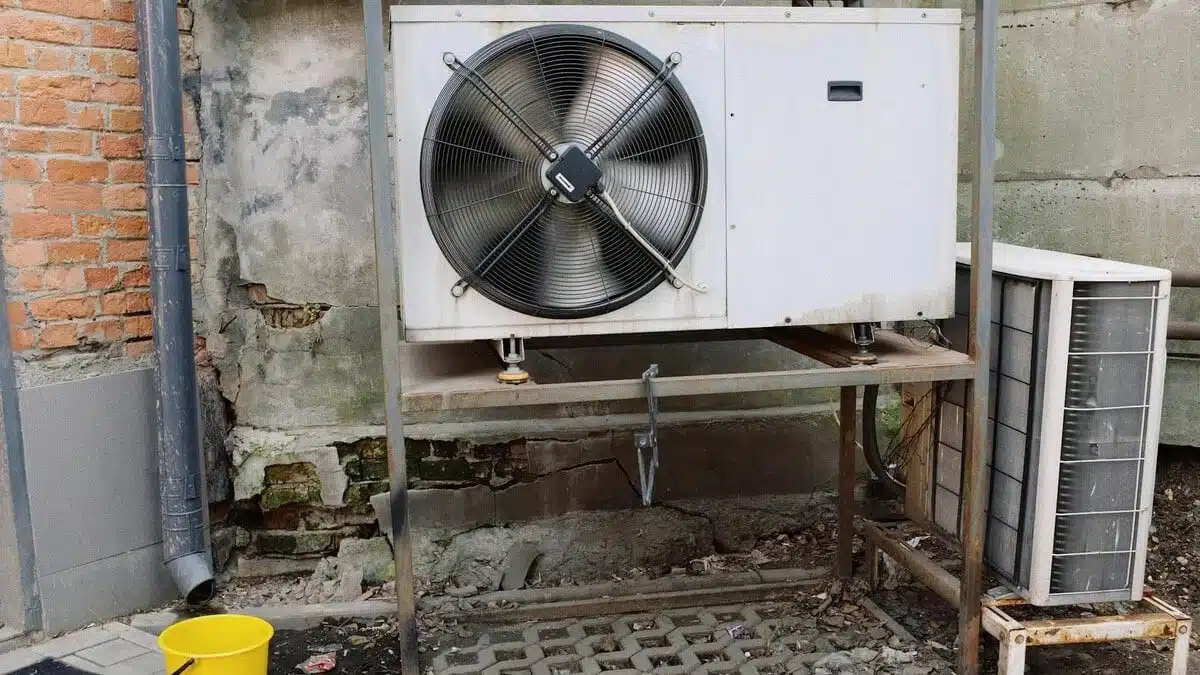
Your air conditioning system does more than cool your home during sweltering summer months. That steady drip of water collecting beneath your unit represents an overlooked resource that deserves attention. While most homeowners simply let this liquid flow into drains or evaporate, understanding its composition and potential applications can transform household routines and reduce waste.
Understanding condensate water composition
The liquid dripping from your cooling unit forms through a natural process when warm humid air contacts cold evaporator coils. As temperatures drop rapidly, moisture condenses into droplets that accumulate and flow through drainage systems. This process creates water remarkably similar to distilled varieties, naturally stripped of minerals typically found in municipal supplies.
However, this purity comes with significant limitations. Air conditioning condensate passes through mechanical components that harbor potential contaminants. Dust particles, mold spores, bacteria, and residues from metal components can infiltrate the water as it travels through ductwork and collection pans. These hygiene concerns make consumption dangerous, though the liquid remains perfectly suitable for numerous non-potable applications throughout your household.
Collection requires minimal effort and investment. Position a clean container beneath your drainage outlet, ensuring it captures the steady flow during operation. Regular cleaning of collection vessels prevents bacterial proliferation and maintains water quality for intended uses. Just as organizing your living space with smart furniture solutions can maximize small areas, establishing an efficient collection system optimizes available resources without cluttering outdoor spaces.
Practical household applications for AC water
The mineral-free nature of condensate water makes it exceptional for specific household tasks where tap water creates problems. Steam irons benefit tremendously from this resource, as calcium deposits cause white residues on clothing and damage heating elements over time. Filling your iron reservoir with collected condensate extends appliance lifespan while ensuring garments emerge crisp without unsightly streaks.
Glass surfaces throughout your home present another ideal application. Windows, mirrors, and glass tabletops cleaned with demineralized water dry without the frustrating spots and streaks that plague traditional cleaning methods. The absence of dissolved minerals means no residue remains after evaporation, creating crystal-clear surfaces with less effort than conventional approaches require.
Automotive maintenance represents another valuable use case. Windshield washer reservoirs function optimally when filled with mineral-free liquids that won’t clog spray nozzles or leave deposits on glass. Similarly, mixing condensate with appropriate cleaning solutions for exterior washing prevents water spots while conserving treated municipal supplies. These simple habits align with broader lifestyle approaches, much like daily practices that maintain vitality and satisfaction throughout different life stages.
Personal care and specialized uses
Some households have discovered condensate water works exceptionally well for hair washing. The soft composition creates generous lather from shampoos while potentially reducing scalp irritation compared to heavily treated municipal water. Those interested in this application should take precautionary measures by boiling collected water for several minutes before use, eliminating potential microbial contaminants that accumulate during collection and storage.
Battery maintenance for vehicles and backup power systems occasionally requires distilled water for topping off fluid levels. Lead-acid batteries suffer when mineral-laden tap water accelerates corrosion and reduces efficiency. Condensate provides a cost-effective alternative to purchasing bottled distilled varieties, particularly for those maintaining multiple batteries or living in areas where such products carry premium pricing.
Humidifiers and steam cleaners operate more efficiently with mineral-free water that prevents the white dust phenomenon common with hard tap water. Equipment longevity increases when internal components avoid scale buildup that reduces heating efficiency and eventually causes mechanical failures. These thoughtful resource management practices reflect the same consideration as small courteous actions that reveal character in daily interactions.
Garden irrigation considerations and best practices
Using condensate for plant watering requires understanding important limitations. While the water itself poses no harm to vegetation, its lack of beneficial minerals means plants receive hydration without nutritional supplementation. This distinction matters more for container gardening and potted plants than outdoor beds where soil composition provides ongoing nutrient sources.
For optimal results, implement these strategies when irrigating with AC water :
- Blend with tap water at roughly equal ratios to provide some mineral content while stretching resources
- Supplement container plants with appropriate fertilizers on regular schedules to compensate for mineral absence
- Reserve condensate primarily for ornamental species rather than edible gardens where nutrient density matters more
- Monitor plant health indicators for signs of mineral deficiency including yellowing leaves or stunted growth
Water-sensitive species like ferns and orchids often appreciate the soft composition, particularly in regions where municipal supplies contain high mineral concentrations. Establishing thoughtful routines around resource collection and application creates sustainable habits, similar to how engaging activities maintain mental stimulation across different life phases.
Maximizing collection and storage efficiency
Average residential air conditioning systems generate between five and twenty gallons daily during peak operation, depending on unit capacity, humidity levels, and runtime duration. This substantial volume represents significant water conservation potential when properly captured and utilized. Strategic planning ensures maximum benefit from this renewable household resource.
Storage containers should remain covered to prevent mosquito breeding while allowing ventilation that prevents stagnation. Food-grade plastic containers work excellently, though any non-reactive vessel suffices for non-potable applications. Label containers clearly to prevent accidental consumption, particularly in households with children or guests unfamiliar with your collection system.
Regular maintenance of collection infrastructure prevents system failures and water quality degradation. Clean drainage pans monthly during operating seasons, removing accumulated debris and treating surfaces with diluted bleach solution to inhibit microbial growth. This attention to detail ensures condensate quality remains suitable for intended applications while preventing unpleasant odors that develop in neglected systems.
