
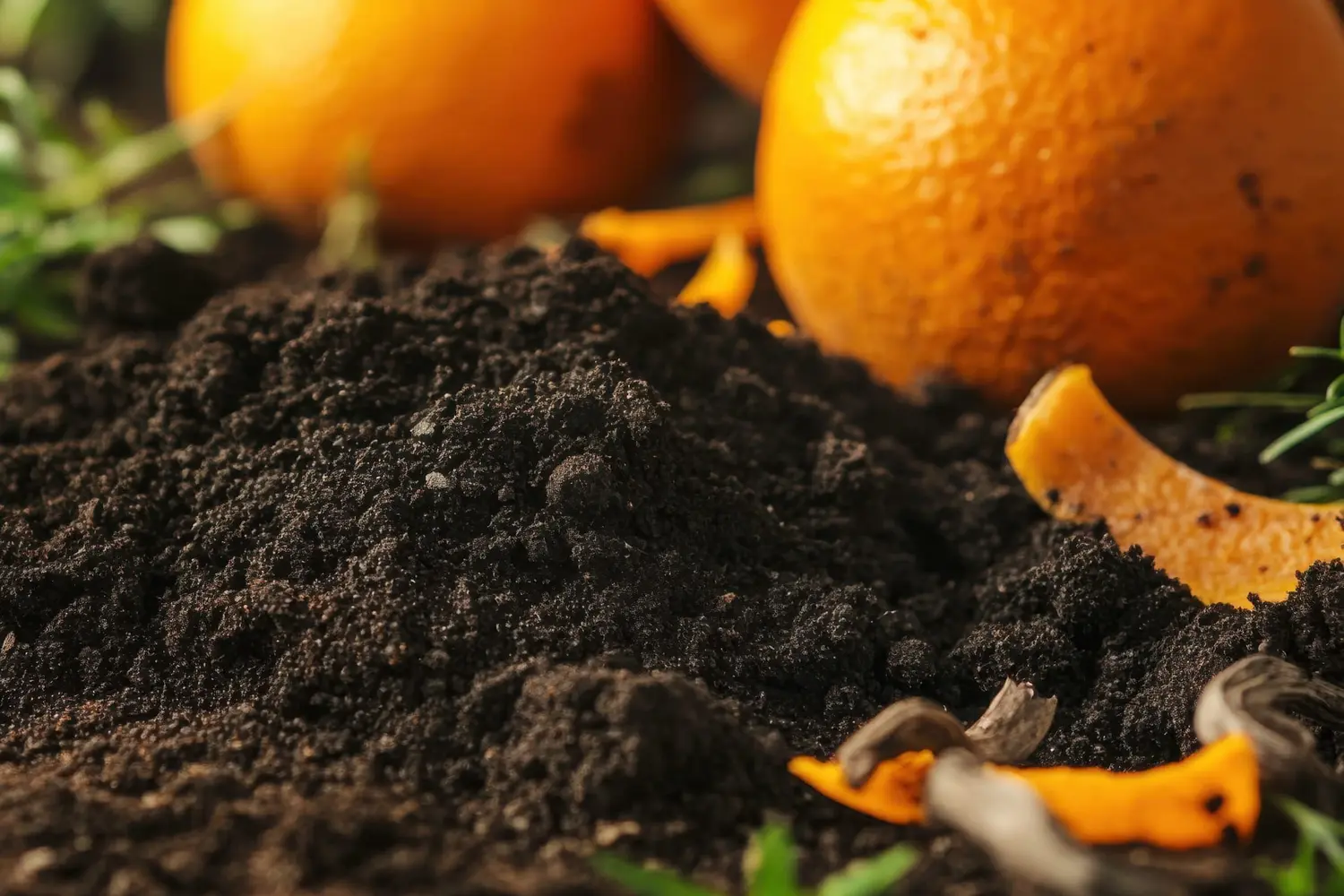
Garden enthusiasts frequently scatter citrus peels throughout their outdoor spaces, employing an ingenious natural solution that addresses multiple challenges. This simple practice transforms kitchen waste into a powerful gardening tool that protects your beloved plants while simultaneously nourishing the soil beneath them.
Why felines avoid areas treated with citrus remnants
Cats possess extraordinarily sensitive olfactory systems, making them particularly responsive to certain scents in their environment. The sharp, acidic aroma emanating from orange, lemon, and grapefruit peels creates an invisible barrier that these creatures find deeply unpleasant. Unlike many commercial deterrents that contain harsh chemicals, this method harnesses nature’s own defense mechanism.
This sensitivity stems from specialized receptors in feline noses that detect volatile compounds present in citrus oils. When cats encounter these powerful fragrances, their natural instinct prompts them to retreat and seek alternative territories. The beauty of this approach lies in its harmlessness—it doesn’t injure or traumatize animals, simply encouraging them to explore elsewhere.
Strategic placement of these natural repellents around flower beds, vegetable patches, and recently planted bulbs creates protective zones. Gardeners who maintain consistency with this technique often notice dramatic reductions in unwanted feline visits within days. Just as people who stay active and happy at 60 and beyond usually adopt these daily habits, establishing consistent gardening routines yields remarkable long-term benefits.
Practical implementation methods for maximum effectiveness
Gardeners have developed two primary techniques for deploying citrus peels as protective barriers. The first method involves direct distribution of fresh peel fragments across vulnerable areas. Simply tear orange or lemon skins into pieces measuring approximately two to three inches and scatter them generously around plants requiring protection.
Focus placement in these critical locations :
- Perimeters of flower beds containing delicate blooms like primroses, crocuses, and snowdrops
- Surrounding newly planted bulbs that cats might excavate
- Areas where animals have previously used as outdoor latrines
- Near garden furniture that attracts scratching behavior
- Entry points where neighborhood cats typically access your property
The second approach requires minimal preparation but offers extended coverage. Boil citrus peels in one liter of water for approximately fifteen minutes, allowing the natural oils to infuse thoroughly. After cooling completely, strain the liquid into a spray bottle. This homemade solution can be applied directly onto soil surfaces, container plants, or hardscaping elements.
Refresh peel placements weekly to maintain potency, as natural decomposition gradually diminishes their aromatic strength. Similar to how tourists blindly follow their GPS and end up stuck on a ski slope, blindly following outdated gardening advice without adapting to changing conditions rarely produces optimal results.
Additional soil enrichment benefits beyond deterrence
Beyond their repellent properties, citrus peels contribute valuable nutrients as they decompose naturally within garden beds. These organic materials contain nitrogen, phosphorus, and potassium—essential elements that plants require for robust growth. The breakdown process also introduces beneficial microorganisms that improve soil structure and drainage characteristics.
Orange peels specifically release compounds that help regulate soil pH levels, making them particularly beneficial for acid-loving plants. As decomposition progresses, the material creates air pockets within compacted earth, facilitating better root penetration and water absorption. This dual-purpose functionality makes citrus waste remarkably efficient compared to single-function products.
The environmental advantages extend beyond individual gardens. By repurposing kitchen scraps that would otherwise occupy landfill space, practitioners reduce their overall waste footprint. This sustainable approach aligns with broader ecological principles gaining recognition worldwide. Much like how Iceland approved the 4-day workweek in 2019, innovative solutions often challenge conventional wisdom while delivering unexpected benefits.
Protecting spring plantings from common garden intruders
Late winter marks the crucial transition period when early flowering species emerge from dormancy. Camellias, mimosas, pansies, and cyclamen begin their seasonal displays, creating vibrant landscapes after months of barrenness. Unfortunately, this timing coincides with increased feline activity as cats explore territories with renewed enthusiasm.
Without protective measures, these animals can wreak considerable havoc. They excavate freshly planted bulbs, disturb soil around tender seedlings, and deposit waste that potentially spreads parasites or diseases. Their scratching behavior damages delicate foliage, while their territorial marking habits create unpleasant odors that persist throughout growing seasons.
Implementing citrus-based deterrents before damage occurs proves far more effective than reactive approaches. Establishing protective barriers in early February allows gardeners to safeguard investments in bulbs, seeds, and young plants. Consistent application throughout spring ensures that neighborhood cats learn to associate your garden with unpleasant sensory experiences, eventually seeking alternative locations.
This preventive strategy requires minimal investment—merely saving peels from breakfast oranges or culinary preparations. The simplicity of execution makes it accessible to gardeners regardless of experience level or budget constraints. Whether maintaining expansive landscapes or modest container collections, anyone can harness this time-tested natural solution that generations of gardeners have quietly employed with remarkable success.
