
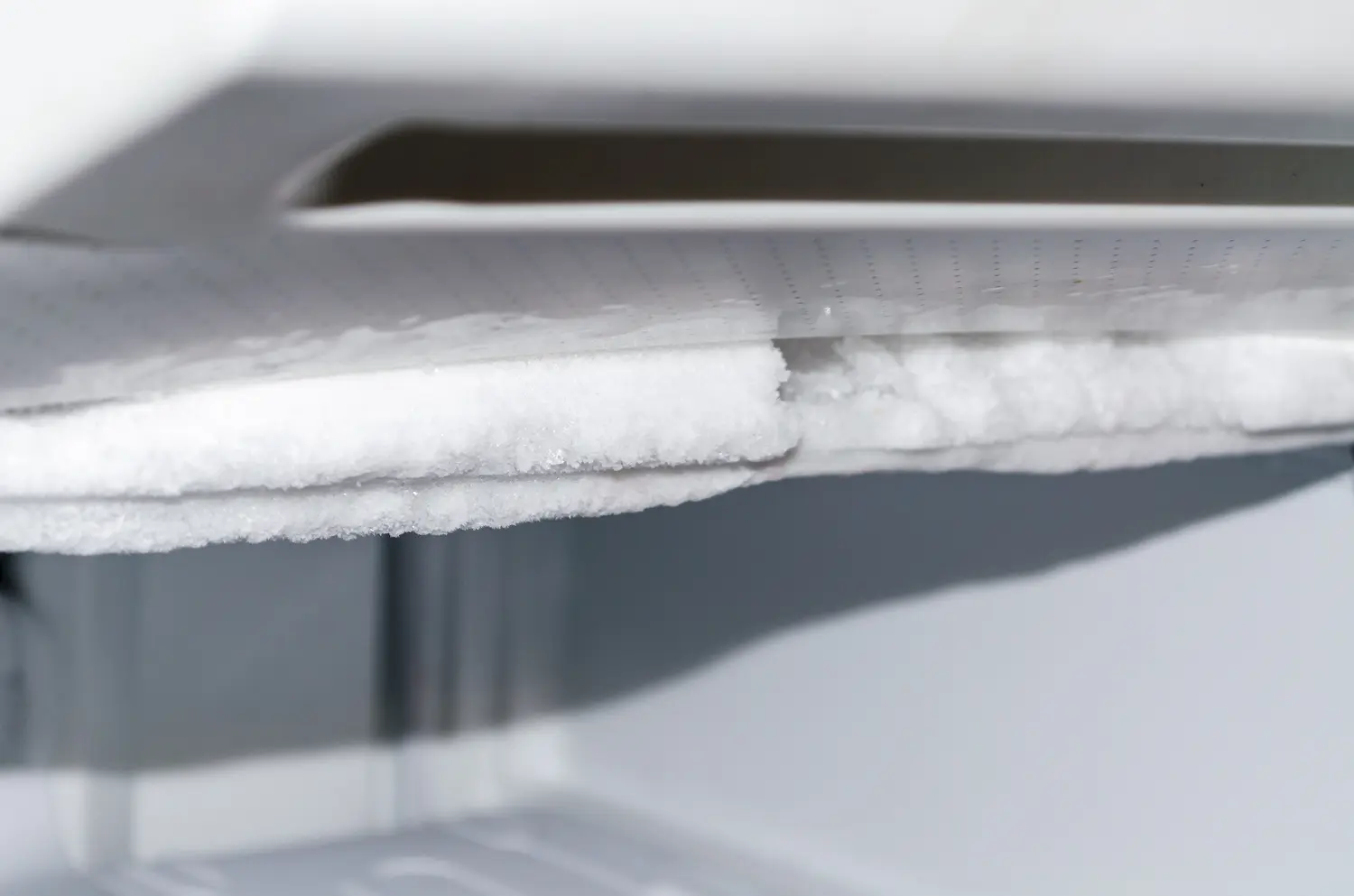
Ice buildup inside your freezer isn’t just an inconvenience that reduces storage space; it’s actually a hidden energy drain that increases your electricity bills month after month. When frost accumulates on freezer walls, your appliance must work significantly harder to maintain proper temperatures, consuming substantially more power than necessary. Manufacturers typically suggest defrosting every six months, but reality shows that ice layers exceeding half a centimeter require immediate attention regardless of timing. Traditional defrosting methods involve unplugging the appliance and waiting hours for ice to melt naturally, creating logistical challenges with food storage and wasted time. However, an innovative technique using aluminum foil and steam can dramatically accelerate this process, completing the task in mere minutes while preserving your frozen goods and reducing energy waste.
Why ice accumulation drains your wallet
Frost formation inside freezers creates an insulating barrier between the cooling elements and the interior space, forcing the compressor to run longer cycles to achieve target temperatures. This phenomenon occurs naturally as moisture from food and ambient air condenses and freezes on cold surfaces. Even a thin layer of ice measurably impacts efficiency, but thicker accumulations can increase energy consumption by fifteen to twenty percent or more. The financial implications extend beyond immediate electricity costs, as overworked compressors experience accelerated wear, potentially shortening appliance lifespan by several years.
Beyond financial concerns, excessive frost reduces usable storage volume, making it difficult to organize frozen items properly. You might find yourself unable to close drawers completely or struggling to fit standard containers. The problem compounds over time, with each opening of the freezer door introducing additional moisture that contributes to faster ice buildup. Regular maintenance becomes essential not just for efficiency but for practical functionality. Recognizing when your freezer needs attention prevents minor issues from becoming major problems that require professional intervention or premature replacement.
The aluminum foil defrosting technique explained
This remarkably effective method leverages aluminum’s superior thermal conductivity to distribute heat evenly throughout the freezer compartment. The process begins by covering all icy surfaces with sheets of aluminum foil, ensuring complete coverage of frost-covered areas. This metallic layer acts as a heat transfer medium, dramatically improving the efficiency of the next step. Once your freezer walls are properly wrapped, you’ll need a pot of boiling water sized appropriately to fit inside with the door closed. The container should be large enough to generate substantial steam but compact enough to allow proper door closure for heat retention.
After positioning the steaming pot inside your foil-lined freezer and closing the door, wait approximately five to ten minutes. During this brief period, steam and radiant heat work together through the aluminum conductor to rapidly warm ice surfaces. The foil distributes thermal energy far more efficiently than air alone, creating uniform heating that traditional methods cannot match. When you reopen the freezer, you’ll discover that previously stubborn ice now releases easily with minimal effort using a plastic spatula. For any remaining resistant spots, simply press a cloth soaked in hot water against the aluminum covering those areas for additional targeted heating.
Step-by-step implementation for maximum results
Proper execution ensures optimal results and prevents damage to your appliance. Follow this systematic approach for safe and effective defrosting :
- Remove perishable items and transfer them to coolers or insulated bags with ice packs to maintain proper temperature during the process
- Cover all ice-covered surfaces thoroughly with aluminum foil sheets, pressing gently to ensure good contact without applying excessive force
- Boil water in a suitably sized pot that fits comfortably inside the freezer compartment with adequate clearance
- Place the pot carefully on a heat-resistant surface inside the freezer and close the door immediately to trap steam and heat
- Wait five to ten minutes depending on ice thickness, allowing thermal conduction to work efficiently
- Open the freezer and use a plastic or wooden spatula to gently remove softened ice without scratching interior surfaces
- Address stubborn areas with hot water-soaked cloths applied over the aluminum foil for targeted melting
Once ice removal is complete, wipe down all surfaces with white vinegar solution to eliminate odors and sanitize the interior. This natural cleaning agent provides antibacterial properties without harsh chemical residues that might affect food safety. Allow the compartment to air dry briefly before returning items, ensuring no moisture remains that could contribute to accelerated ice reformation.
Long-term benefits and maintenance strategies
Implementing this quick defrosting technique regularly delivers substantial advantages beyond immediate convenience. A well-maintained freezer operates at peak efficiency, consuming significantly less electricity throughout its lifespan while maintaining consistent temperatures that better preserve food quality. The reduced energy demand translates directly to lower utility bills, with savings accumulating substantially over months and years. Additionally, proper maintenance prevents mechanical strain on compressor systems, extending appliance longevity and delaying costly replacement expenses.
Establishing a proactive maintenance schedule prevents ice from reaching problematic thicknesses. Monitor frost accumulation monthly and perform this rapid defrosting procedure whenever ice exceeds half a centimeter thickness rather than waiting for arbitrary time intervals. This responsive approach maintains optimal performance year-round. Consider factors that accelerate frost formation, such as frequent door openings, improperly sealed containers, or damaged door gaskets that allow warm air infiltration. Addressing these underlying causes reduces defrosting frequency while maximizing energy efficiency and appliance performance for sustainable household operations.
